What Gifts Sell Well in a Garden Centre Gift Shop?
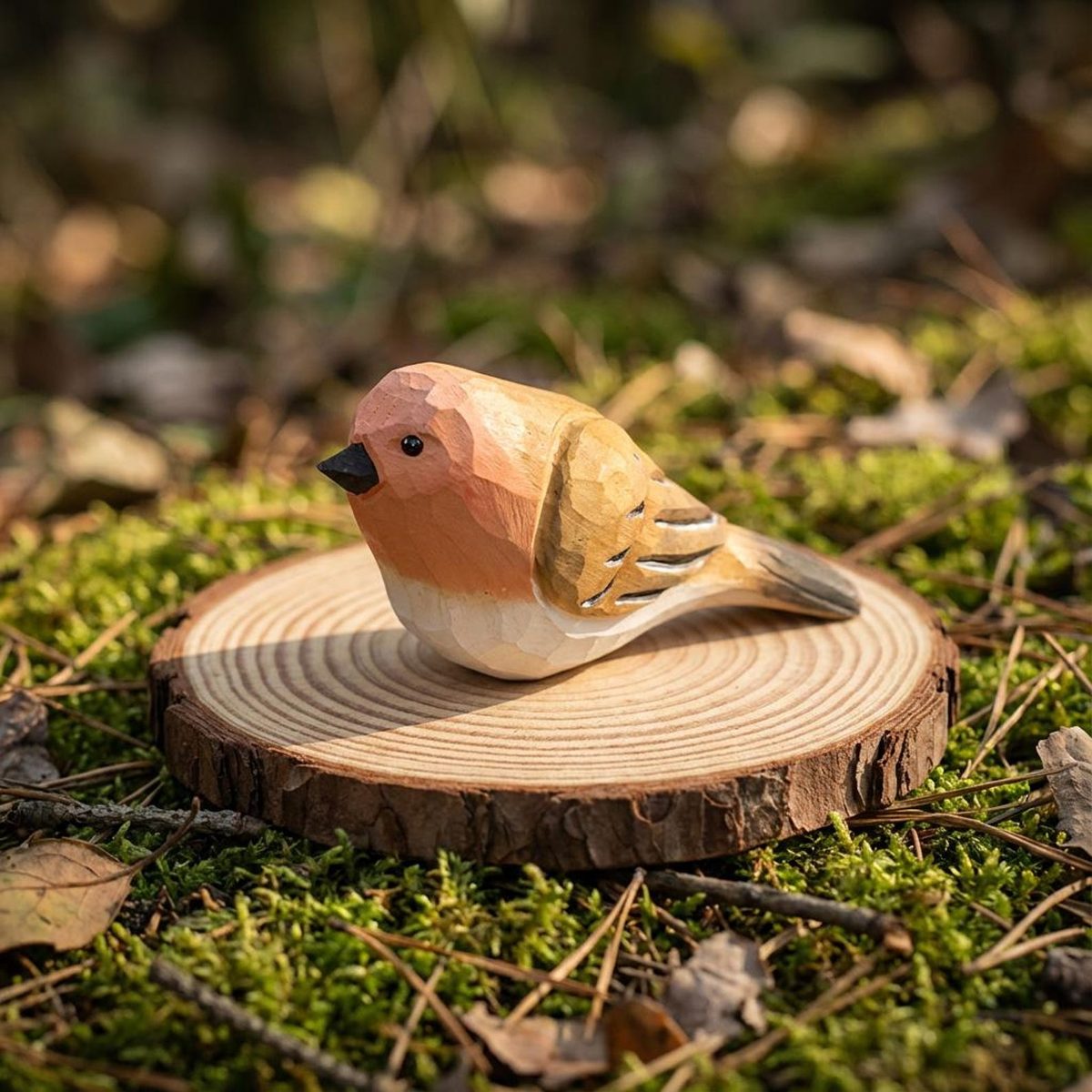
Gifts that sell well in a garden centre gift shop are tied to the reason for the visit: garden birds, woodland and farm animals, and small wildlife gifts that a customer can buy for themselves or for a grandchild without deliberation. Hand-carved, hand-painted wooden animals fit because your customers already feed birds and notice wildlife. Build the range around garden birds first, add woodland and farm pieces, and keep a dish of small charms at the till.
Which gifts do garden centre customers buy?
The gifts that sell are the ones that extend the visit. Someone who has just chosen seeds for the borders is receptive to a wooden robin for the windowsill; someone who buys bird food every month is exactly the customer for a shelf of hand-painted garden birds. The categories that consistently earn their space are: garden birds, woodland animals, farm animals, pet figures for the café crowd, and a small run of wildlife-themed charms and keyrings at the till.
Two properties matter more than any particular animal. First, the piece must be recognisable at a glance — a robin is a robin from three metres away, which is why birds outperform more obscure wildlife. Second, it must be giftable without being fragile or fussy: a hand-carved, hand-painted wooden animal travels home in a shopping bag alongside the plants and survives the trip.
What does not sell as well is anything that ignores the reason people came. Generic giftware that could be in any shop fights the rest of your floor; the wooden range works because it is the shop's own theme, in object form.
Who is actually buying in a garden centre gift shop?
Three shoppers walk your floor, and each maps onto a part of the range. The first is the gardener: buys bird food, knows which birds visit the plot, and buys wildlife pieces for themselves — this is the core customer for garden birds and woodland animals, and the one who returns each season.
The second is the dog walker or café regular, in two or three times a week, who buys for others: the neighbour who loves her cat, the friend whose spaniel has just died, the grandchild's birthday. Pet figures — cats and dogs in recognisable breeds and coat colours — are this shopper's section, and they buy on recognition: the right coat colour closes the sale.
The third is the visiting family, and the purchase in play is the child's own pocket money. A small wooden charm or tiny animal at child height, priced as an obvious pocket-money purchase, converts this visit — but the pieces are decorative ornaments, not toys, and should be presented that way.
Which wooden animals fit each type of customer?
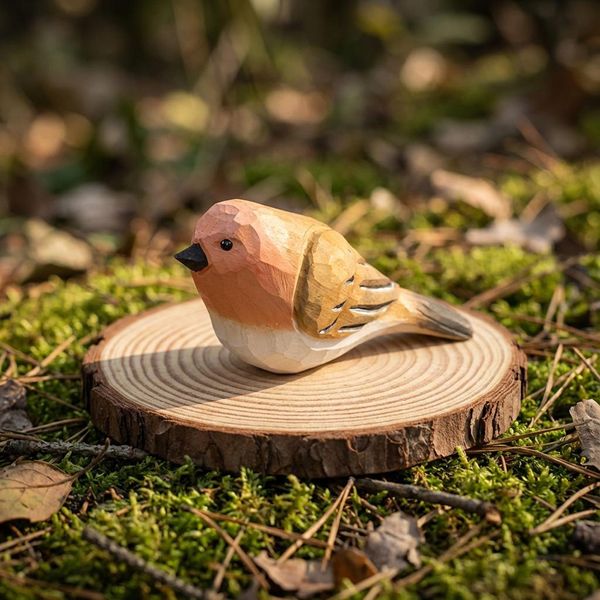
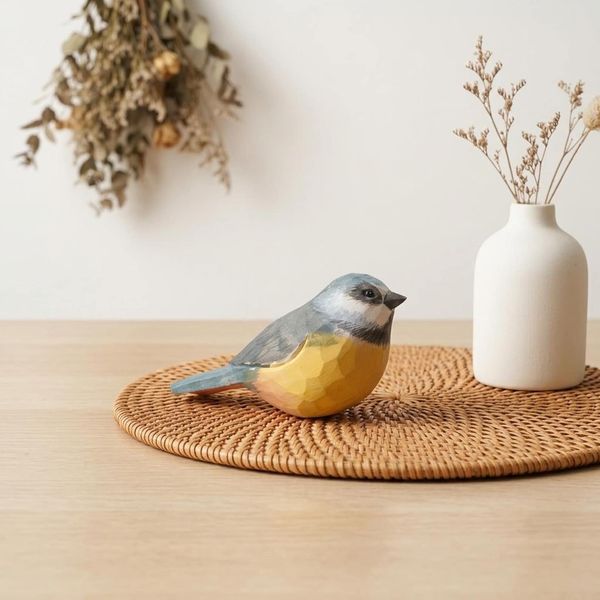
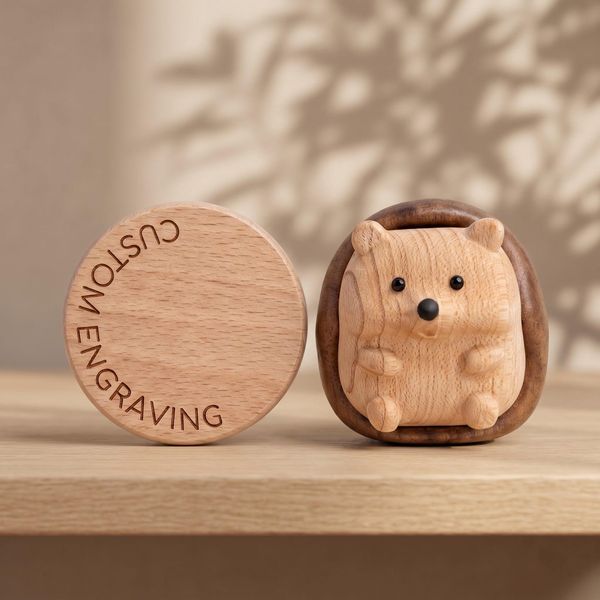
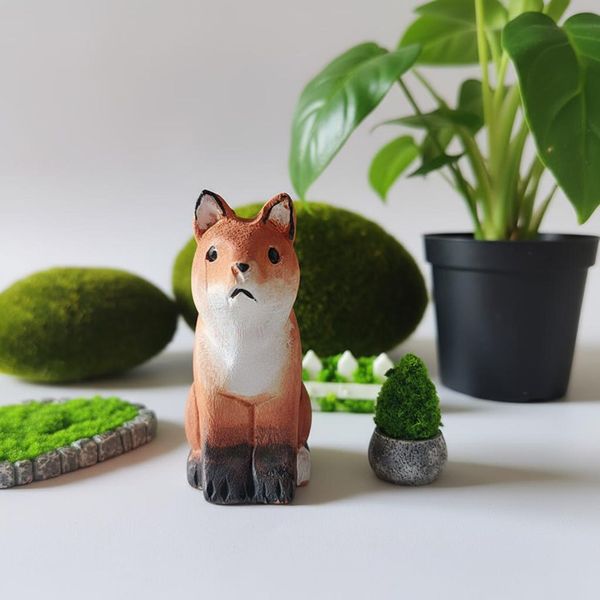
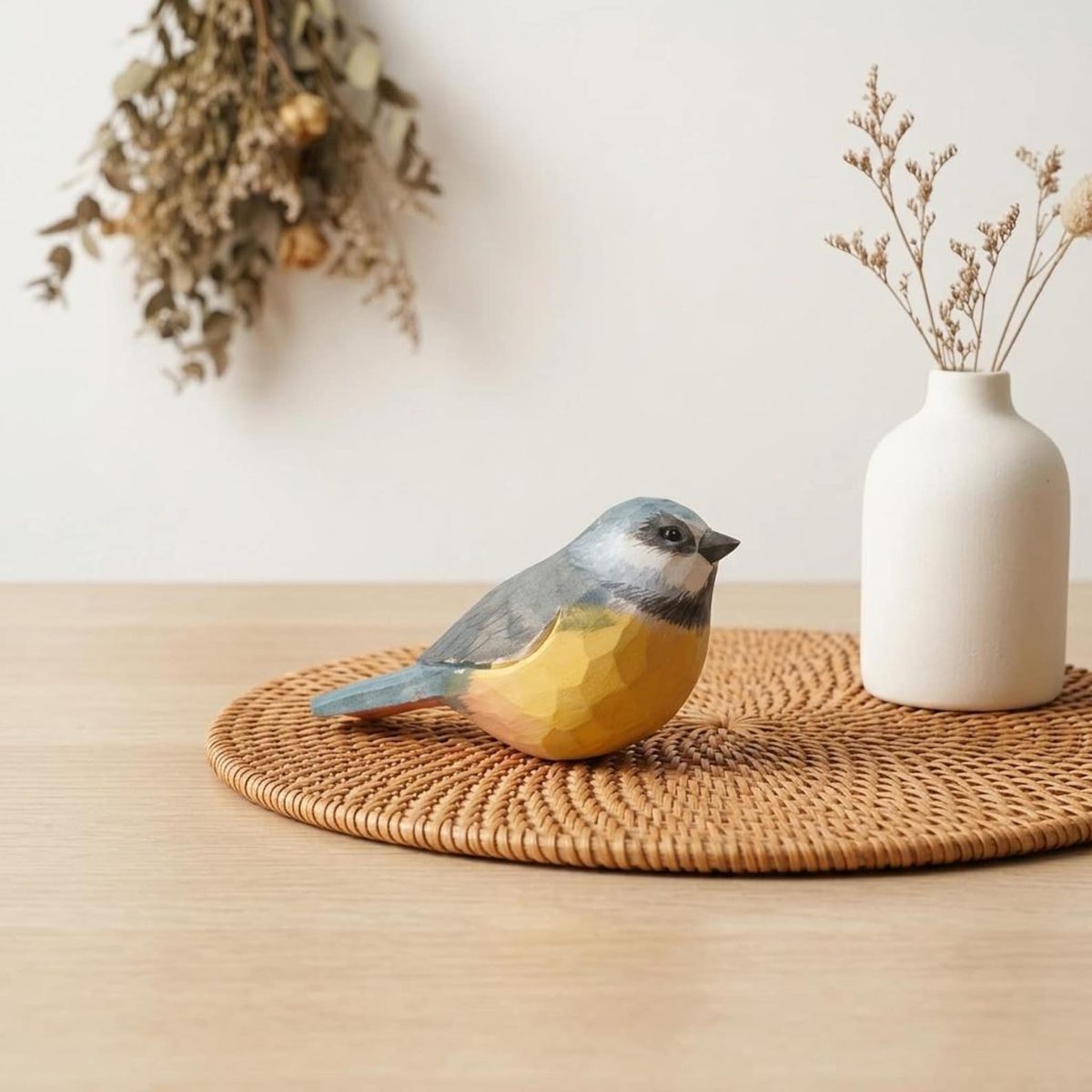
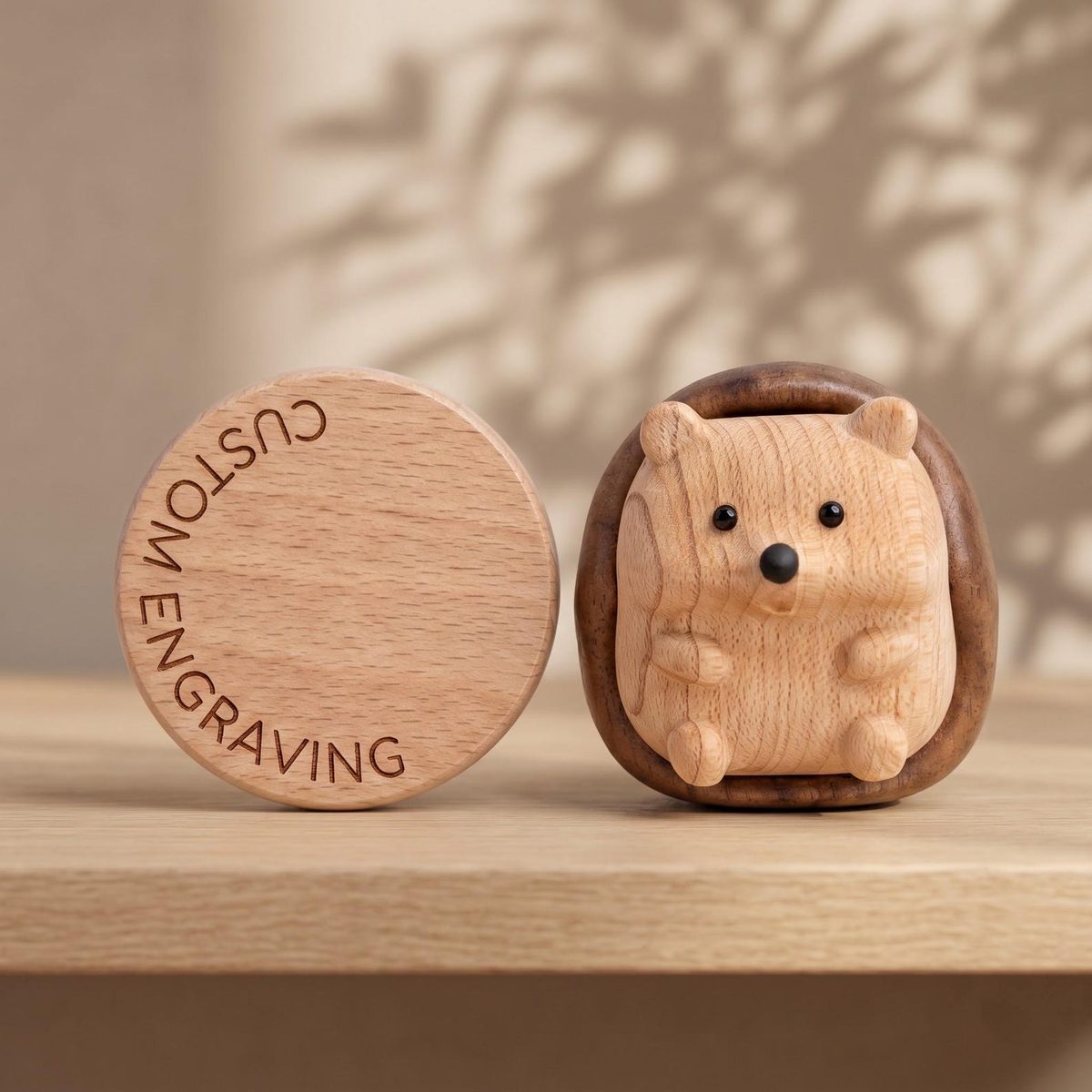
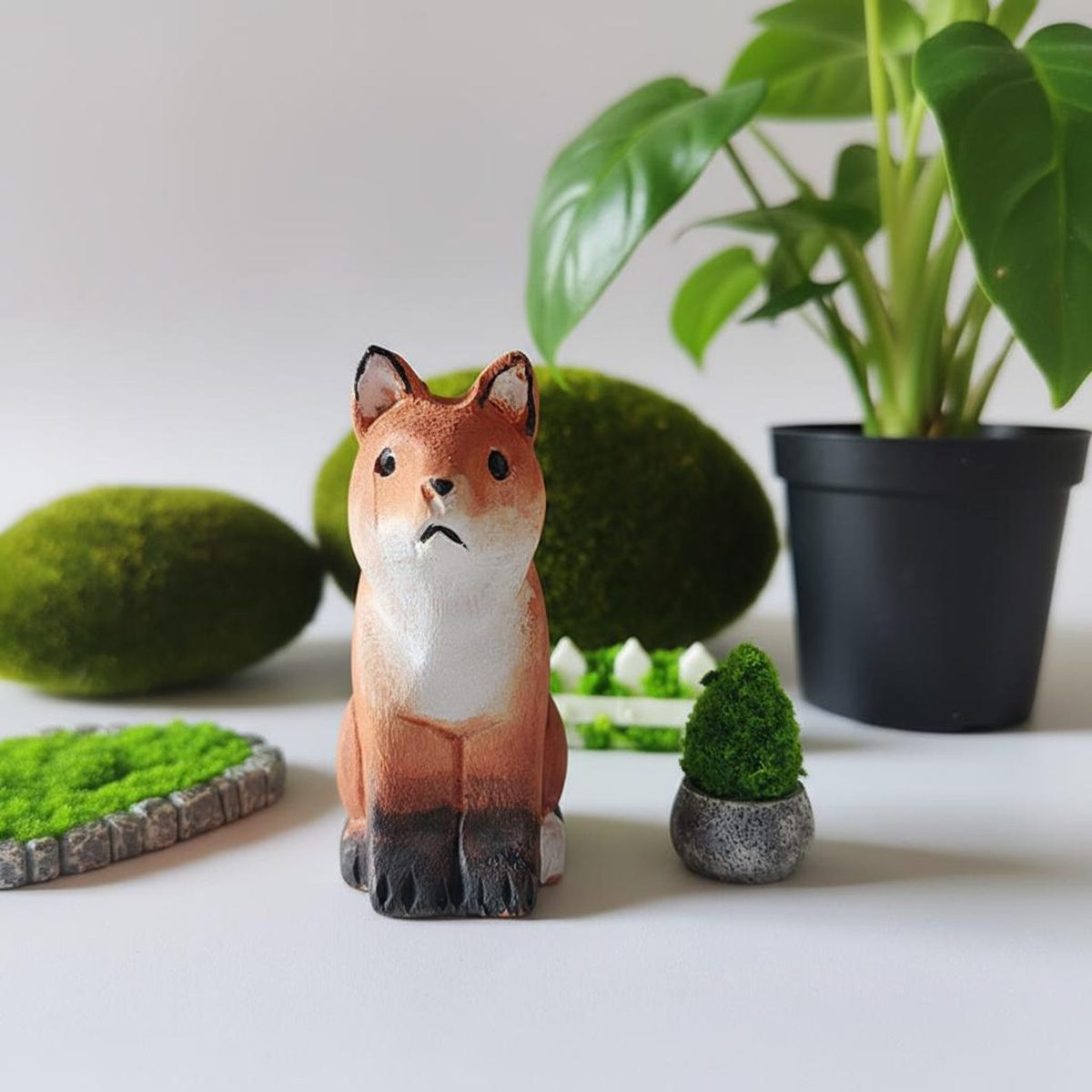
For the gardener: garden birds — a robin, a blue tit, a great tit — plus the garden's other regulars. A walnut-and-beech hedgehog is the natural companion piece, and a faceted fox carries the autumn months. These are the pieces to place near the bird food and the wildlife care aisle, where the customer's interest is already engaged.
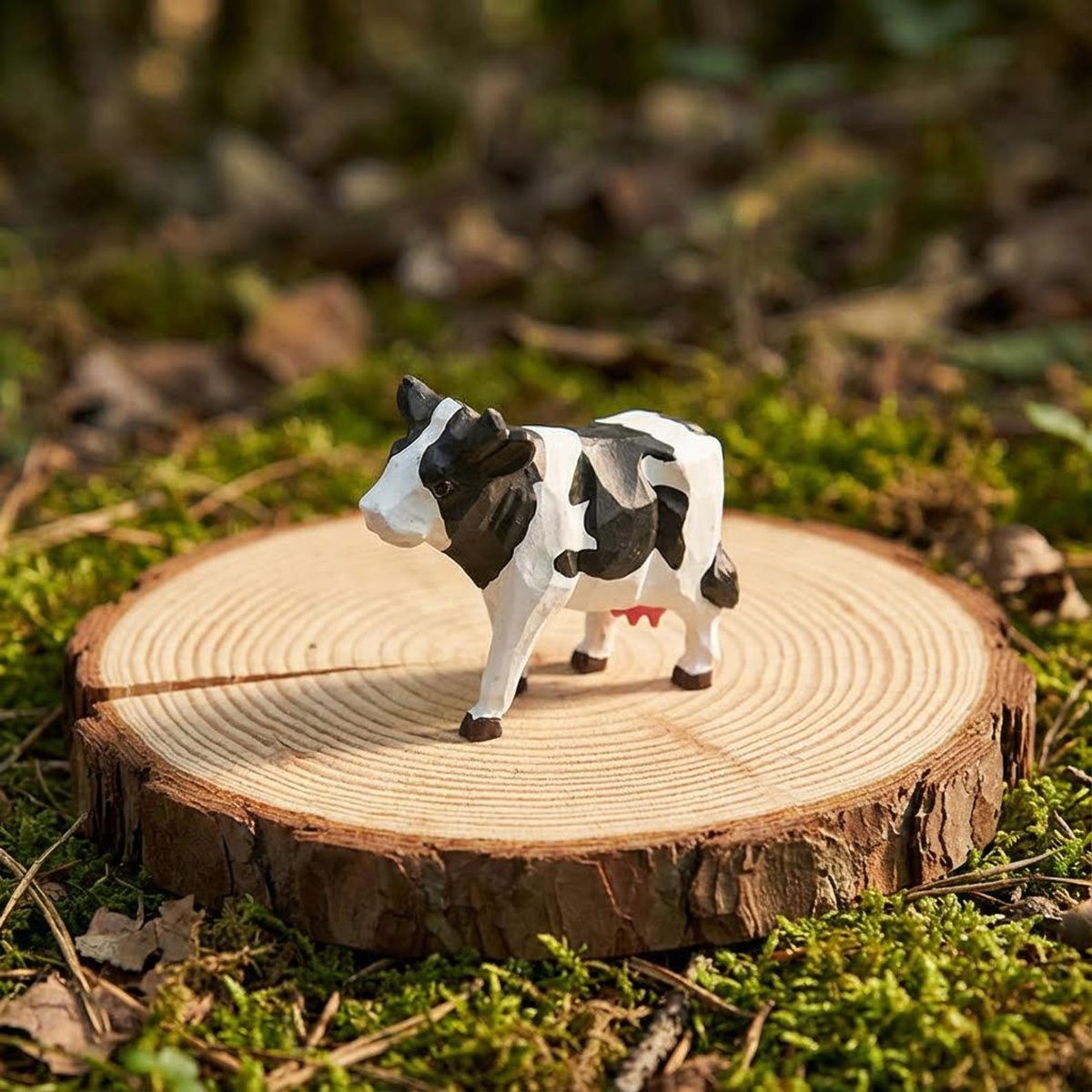
For the rural centre, farm animals earn a shelf of their own: a black and white dairy cow and a painted sheep ornament sell to customers who drive past the real thing every day, and to visitors for whom the farm animal is the countryside souvenir. A low-poly pig covers the lighter end.
For the café crowd: cats and dogs. Match breeds and coat colours where you can — a ginger tabby, a black and white cat, a spaniel — and keep two or three engravable pieces in the mix, because a base that takes a name turns 'a nice figure' into a memorial or a birthday gift. For the family: small charms and mini animals in a dish at child height by the till.
How does the season change what sells?
Spring belongs to the birds: nesting season begins, the bird food aisle is at its busiest, and a display of robins and tits beside it cross-sells cleanly. Summer is garden wildlife — hedgehogs and frogs — as customers spend evenings outdoors and notice what shares the garden with them.
Autumn shifts to woodland: the fox, the owl, richer colours, and Halloween if your shop does seasonal theatre. Before Christmas the whole logic of the shop changes: robins come back as the Christmas-card bird, the engravable pieces sell as named gifts, and small animals sell as stocking-fillers for adults. Our Christmas stock planning guide sets out the Q4 sequence, and the wooden birds for garden centres guide covers the bird range in detail.
The through-line is that a garden centre's gift calendar follows the gardening year rather than the retail year. Move the display to match what is happening outside the window and the range never looks stale.
What belongs at the till in a garden centre?
The till wants three things: pocket-money pieces for children, a small impulse gift for the customer who came in for compost, and gift-ready pieces in December. Small wooden charms, keyrings and mini animals do all three jobs — a shallow dish of them beside the till, topped up weekly, reliably outsells a larger display in a quiet corner.
Cross-merchandising does the rest. A robin beside the bird food, a sheep beside the wool or the farm toys, a cat by the café door: each placement borrows attention the customer is already spending. Keep the till selection rotating with the season so regulars notice the change.
Price clarity matters at the till more than anywhere else. Small wooden pieces invite the 'how much?' hesitation that kills impulse purchases, so label everything visibly and keep the dish to pieces at one or two price points. Our till-point gifts guide goes deeper on the merchandising.
How should a garden centre test and reorder wooden gifts?
Start with six to eight pieces across the categories above rather than a full wall: two or three birds, a hedgehog or fox, a farm animal if you are rural, one pet figure, one dish of till-side charms. Give the display eight weeks and a visible position near the bird care aisle, then reorder what moved and drop what did not — the category that surprises most garden centres is farm animals.
When a piece sells steadily, extend that line rather than widening the range: a second coat colour of the cat that sold, a second bird beside the robin that sold. Depth in a proven line beats breadth nobody asked about, and it makes your reorder conversation simple.
To start, send a trade enquiry saying you run a garden centre and which pieces you would like to test. We reply with trade prices, which are not published, and the details for a first order; on trade orders any design can be laser-engraved with a name or a date. Our trade page for garden centres answers the common questions first.
Frequently asked questions
Which gifts sell best with garden centre customers?
Gifts tied to the visit: garden birds, woodland animals such as foxes and hedgehogs, farm animals for rural centres, pet figures for the café crowd, and small wildlife charms at the till. Hand-carved, hand-painted wooden animals work because customers already feed birds and notice wildlife, and the pieces are recognisable at a glance and travel home safely in a shopping bag.
Do wooden birds belong near the bird food aisle?
Yes, with one distinction to keep clear: these are decorative bird ornaments for shelves and windowsills, not feeders or nest boxes. Placed beside the bird food they catch customers whose interest is already engaged, and the shelf card should say 'hand-painted wooden robin for the windowsill' so nobody mistakes them for outdoor equipment.
Which wooden gifts sell at Christmas in a garden centre?
Robins lead — the Christmas-card bird sells to non-bird-buyers as well as regulars. Engravable pieces sell as named gifts, because a base that takes a name and a date turns a figure into a keepsake. Small animals sell as stocking-fillers for adults. Order early enough to have the seasonal selection in place before the Q4 rush begins.
Are wooden animals a good range where families shop?
Yes, with honest labelling. Children reliably buy small pieces with their own pocket money, and a dish of charms at child height by the till serves that. The pieces are decorative ornaments, not toys — we label them that way, and shops should present them the same way, keeping small pieces out of the reach of very young children.
How do I place a trade order for a garden centre?
Send a trade enquiry saying you run a garden centre and which pieces you would like to test — six to eight pieces across birds, woodland, farm and till-side charms is a sensible first selection. We reply with trade prices, which are not published, and the practical details for a first order, including laser engraving on any design for trade quantities.