Ocean-Themed Gifts for a Coastal Gift Shop: What to Stock
A coastal gift shop can stock ocean-themed gifts at three levels: small wooden keyrings and charms for the till, hand-sized figures of whales, sharks, turtles and seals for the shelves, and one or two large pieces as display anchors. Hand-carved, hand-painted wooden sea animals sell because they carry the memory of the trip home in a way a printed souvenir does not. Start with six to eight pieces across the three levels and rebuild the display around what moves.
What ocean-themed gifts can a coastal gift shop stock?
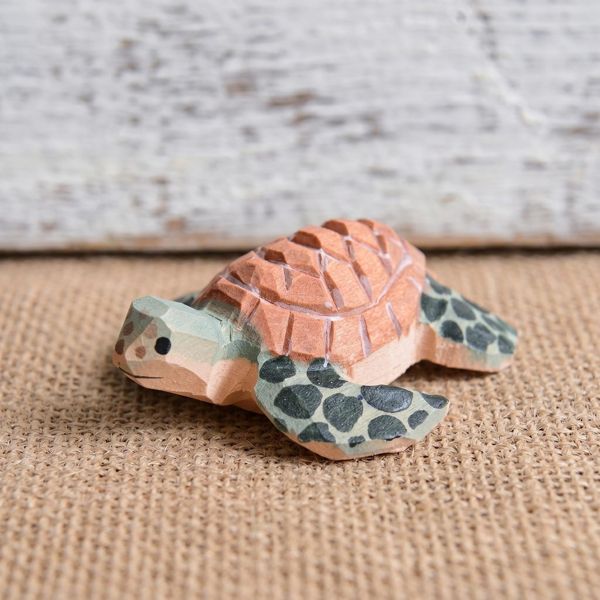
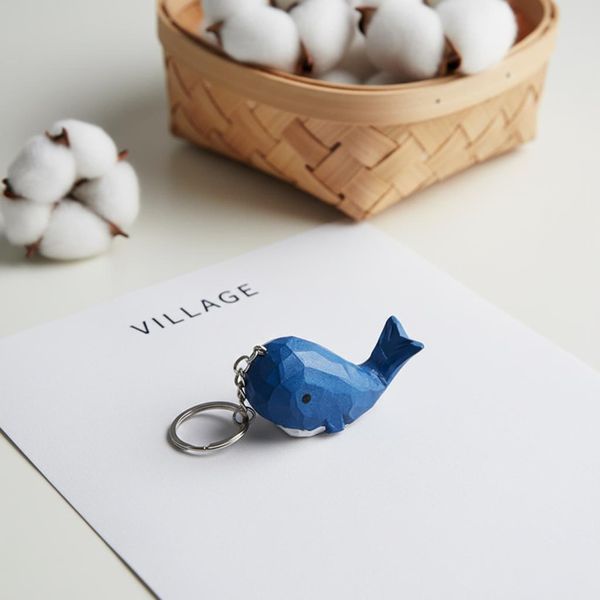
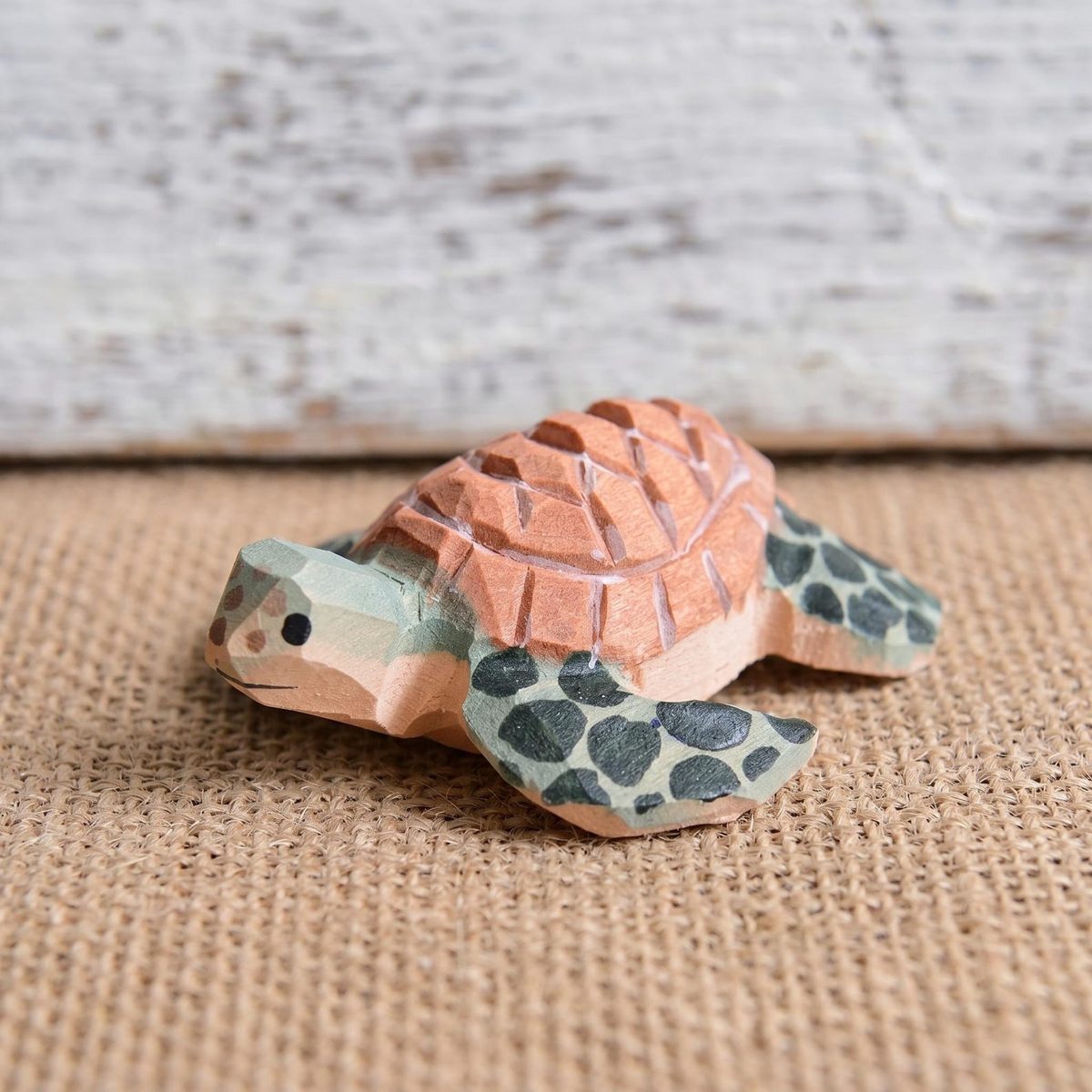
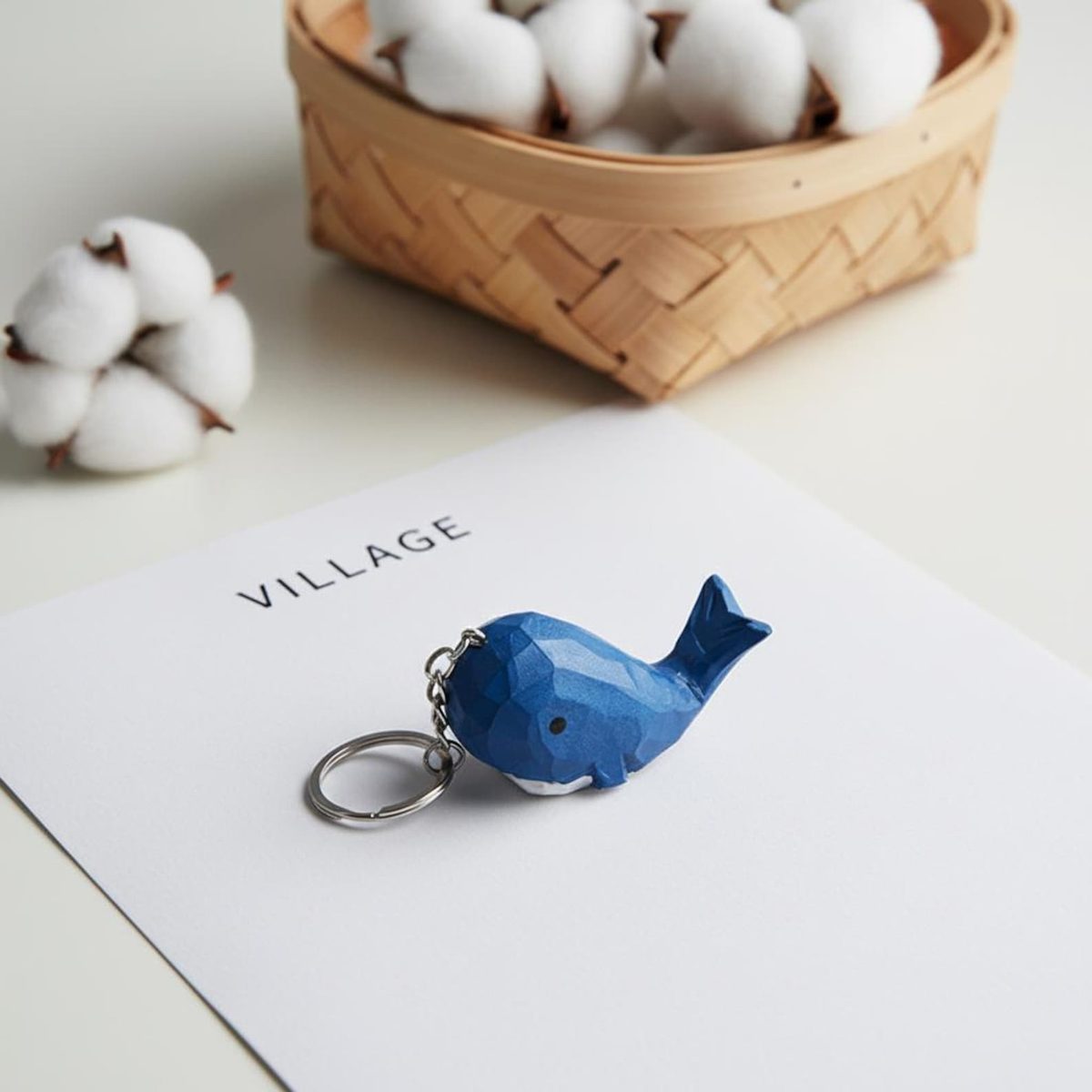
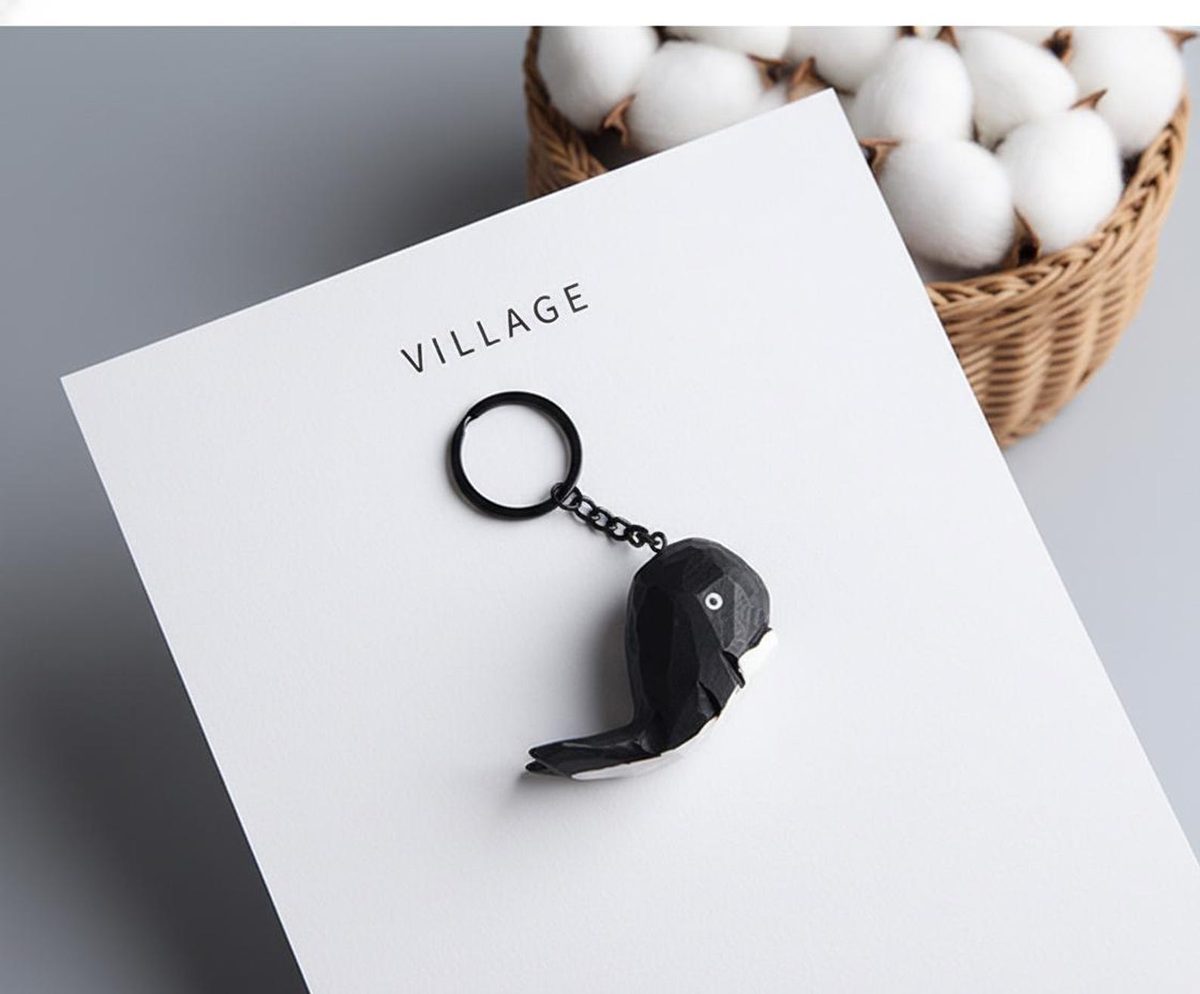
The straightforward answer is a ladder of three price-and-size levels, all in the same theme. At the till, small wooden keyrings and charms — a basswood whale keychain, a black orca keyring and a dolphin charm keychain — give holidaymakers, and children spending their own pocket money, something they can buy without deliberation. On the shelves, hand-sized figures such as a sea turtle, a wooden seal and a painted whale give browsers a proper gift to weigh up.
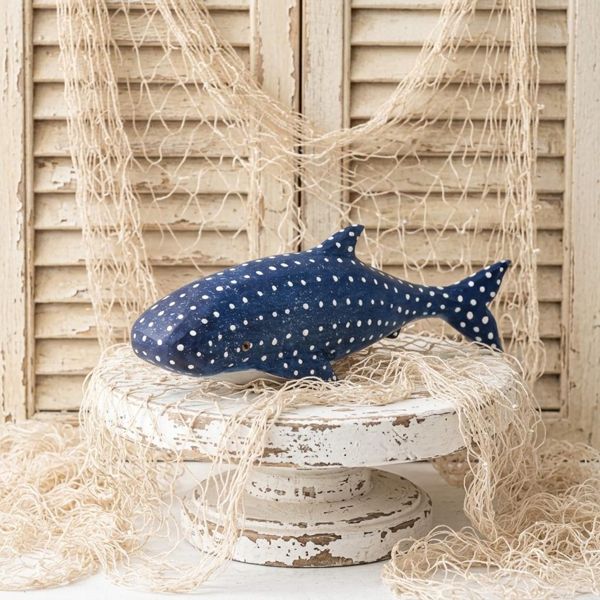
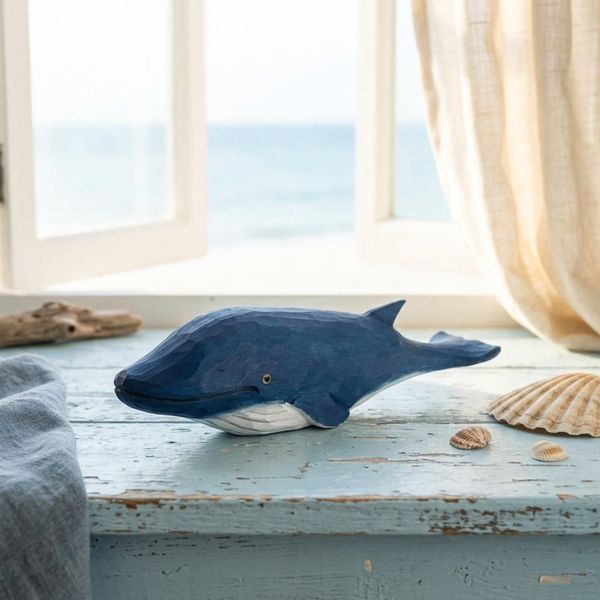
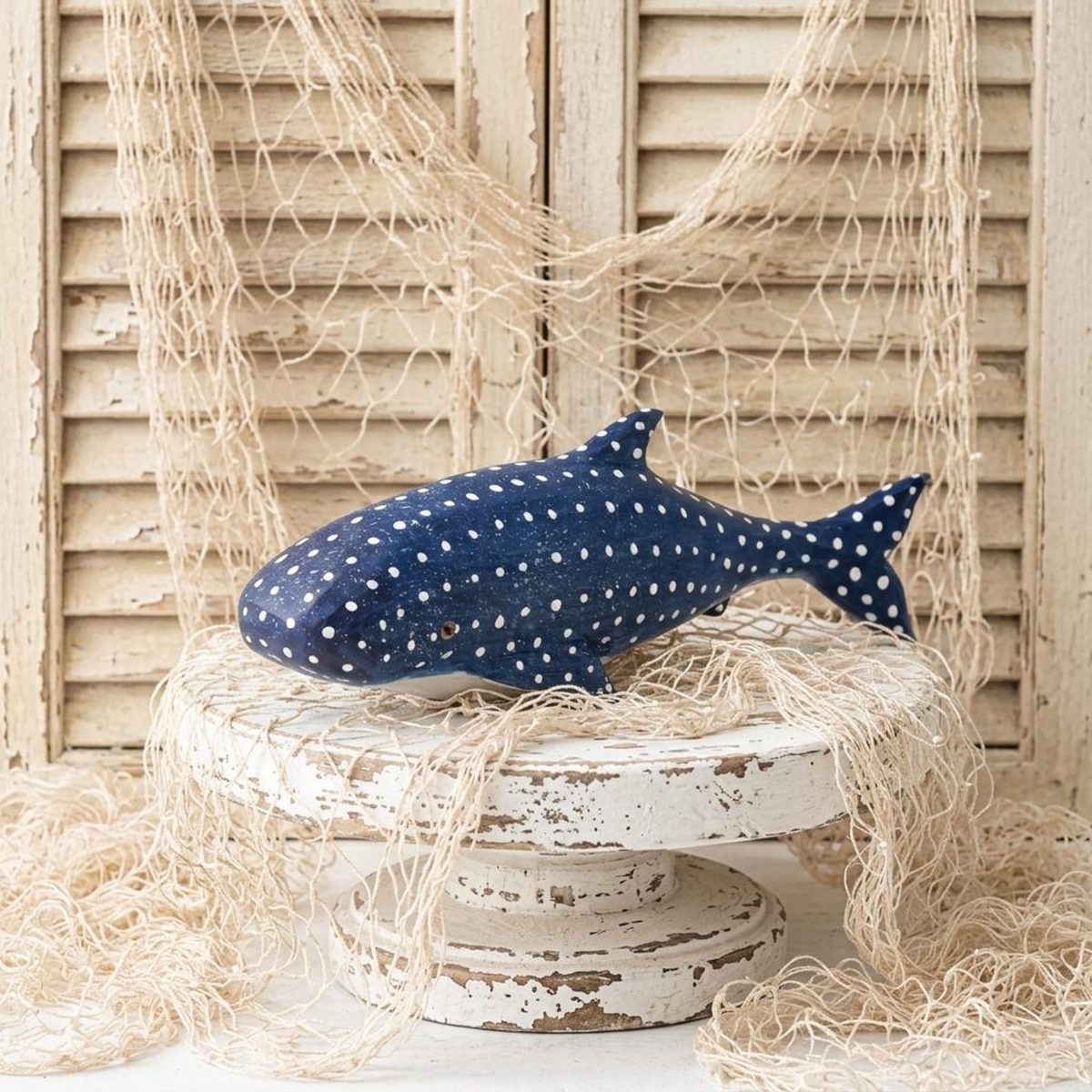
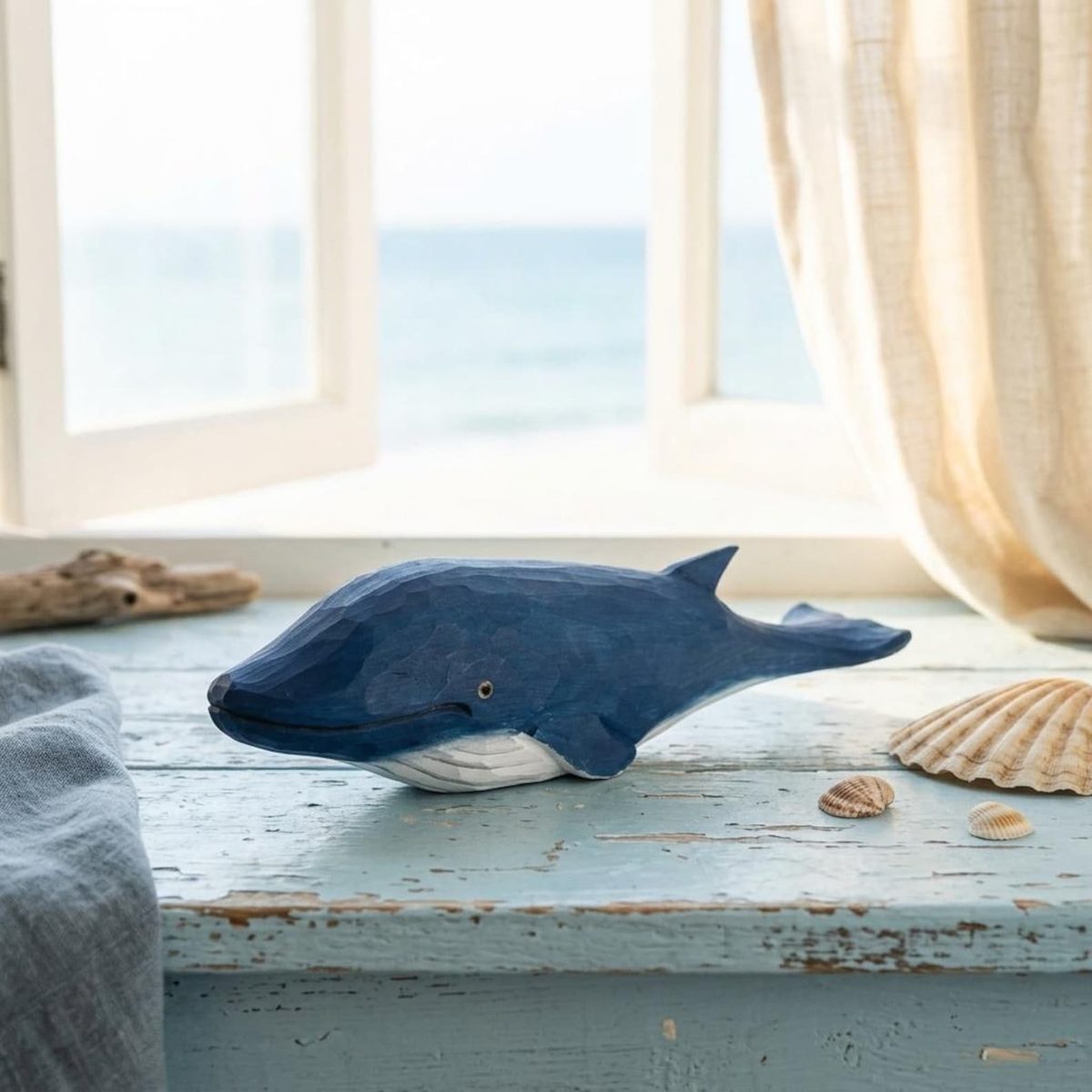
Above those, one or two large anchor pieces earn their floor space by pulling people into the display: a whale shark or a humpback whale at the back of a shelf makes the whole theme legible from across the shop. Wall pieces do the same job in a different spot — a deep blue wooden starfish hung above the range ties a shelf group together.
All of these are hand-carved and hand-painted wooden pieces, decorative rather than functional, which is exactly what most coastal gift shops are short of: theme gifts that are not printed, not plastic and not another mug.
Why do ocean-themed gifts sell well in a seaside town?
Your customers are mostly holidaymakers, and a holidaymaker buys two things: something for the people they left at home, and something that proves they were here. An ocean-themed gift does the second job better than almost anything else, because it is the town's own theme. A wooden whale on a desk in Birmingham says 'the coast' every time it is seen.
The theme also does something quietly useful on wet days. In seaside towns the gift shop is the bad-weather attraction, and browsers with an hour to fill pick up pieces and turn them over. A hand-painted turtle rewards that attention — the painting is different on every piece — and attention is the first step to a sale.
Finally, sea animals span ages in a way most gift ranges do not. A grandfather buys the humpback whale, a parent buys the turtle, and a child buys the dolphin keyring with coins counted out at the till. One theme, three purchases, no need to stock three separate ranges.
Which pieces belong at the till, and which on the shelf?
The till wants pieces under an arm's reach that need no explanation. The three keyrings named above are the core; if you want one or two more, a small carved bird or a mini cat works for the customers whose holiday is about the dog or the garden rather than the sea. The test for a till piece is simple: can a customer see what it is, and what it would feel like to own, in three seconds?
Shelves want the hand-sized figures: the sea turtle, the seal, the painted sperm whale, a faceted shark for the customers who like the dramatic piece. Give each one a small card with the species name and one true sentence about the animal. That sentence does the selling — it turns the ornament into a small piece of the place.
Keep the large whale and the whale shark as anchors rather than volume sellers. They will not be your bestseller by units, but they make the small pieces look considered, and they sell steadily to the customer who wants the holiday to have one substantial souvenir.
How should you display an ocean range?
Group the range in one place rather than spreading it through the shop — a single tide-line of blue, white and natural wood reads as a collection and collects browsers. Shallow crates, drift-coloured boards and pale linen as a backdrop all work; avoid dark velvet, which flattens the painted colour.
Stand the keyrings in a shallow dish or on a pegboard by the till, line the hand-sized figures up at eye level on the main shelf, and put the whale or whale shark slightly above sight line so it is visible over customers' heads. Hang the starfish at the end of the run to close the group.
Two practical notes. Keep the display away from damp — coastal shops have humid air, and wood does not like it — and away from long runs of strong direct sunlight, which is hard on any painted surface. And leave the group in place all year rather than dismantling it in September; more on that below.
Do ocean gifts sell outside the summer season?
Summer is the peak, and half-term weeks punch above their weight, but the range should not disappear in October. Coastal towns with winter visitors — and every town has Christmas shoppers who would rather buy locally than post something fragile from a chain — keep selling sea-themed gifts through winter, because the sea is the town's identity in every month of the year.
The seasonal move is small: in autumn, bring the darker pieces forward (the orca keyring, the black whale, the deep blue starfish), and before Christmas, make sure the till has a full dish of keyrings for teachers, colleagues and stocking-fillers. If you plan your buying year, our Christmas stock planning guide for gift shops shows where a themed range fits alongside the general gift order.
The pieces that justify shelf space in the quiet months are the ones with a story — whales, turtles and seals — because a customer buying a winter gift is buying the sentence on the card as much as the object.
How does a coastal shop place a trade order?
Send a trade enquiry and tell us you run a coastal or seaside shop, roughly where, and which season carries your year — a shop that lives on six summer weeks orders differently from one with winter trade. We reply with trade prices, which are not published on the site, and the practical details for a first order. Trade orders can include laser engraving on the base of suitable pieces — a name or a date — which turns a sea-themed figure into a named gift; mention it in your enquiry and we will confirm how it works.
You can browse the full collection before you write, and read how the same range works in aquarium and museum shops, which is a useful preview of the pieces that sell where the theme is the building itself rather than the town.
Frequently asked questions
What ocean-themed gifts can a coastal gift shop stock?
Stock a three-level range in one theme: small wooden keyrings and charms at the till, hand-sized figures of whales, sharks, turtles and seals on the shelves, and one or two large display anchors such as a whale shark. All are hand-carved, hand-painted wooden pieces, decorative rather than functional, and they sell to holidaymakers as a memory of the trip.
Do wooden ocean animals sell all year in a seaside town?
Summer is the peak, but the sea is the town's identity in every month, and shops with winter trade keep selling the range through autumn and Christmas. The seasonal adjustment is small: bring darker pieces forward in autumn and keep the till dish of keyrings full before Christmas for stocking-fillers and teacher gifts.
What should a coastal gift shop put near the till?
Pieces that need no explanation and no deliberation: wooden whale, orca and dolphin keyrings are the core, and a small carved bird or mini cat catches the customers whose holiday is about the dog or the garden. The three-second test applies — a till piece must be identifiable at a glance and easy to buy on impulse.
Are the wooden sea animals suitable where children visit?
They are decorative ornaments, not toys, and we label them that way, so please present them to customers the same way. Children do buy them — the keyrings especially, often with their own pocket money — but they are hand-painted wooden display pieces for a shelf or a desk, not playthings, and they are not tested as toys.
Can ocean pieces be engraved with our customers' names?
On trade orders, any design can be laser-engraved on the base with a name, a date or a short message, which turns a sea-themed figure into a named gift. Mention engraving in your trade enquiry and we will confirm which pieces in your selection carry a base and how the turnaround works for your order.