What Souvenirs Sell Best in Aquarium and Museum Shops?
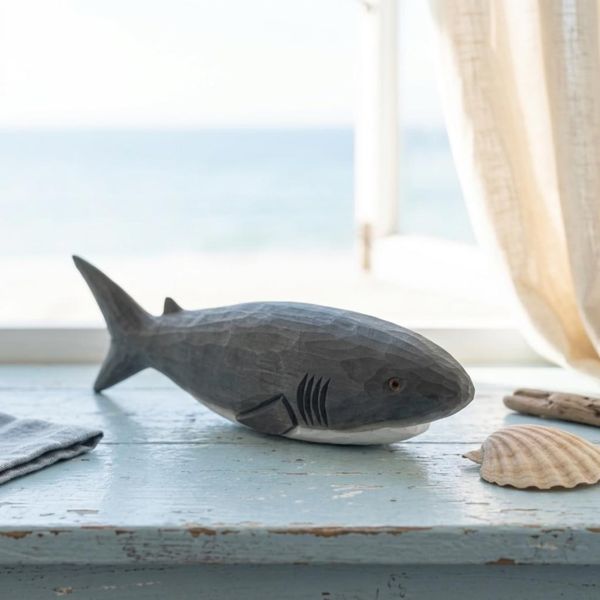
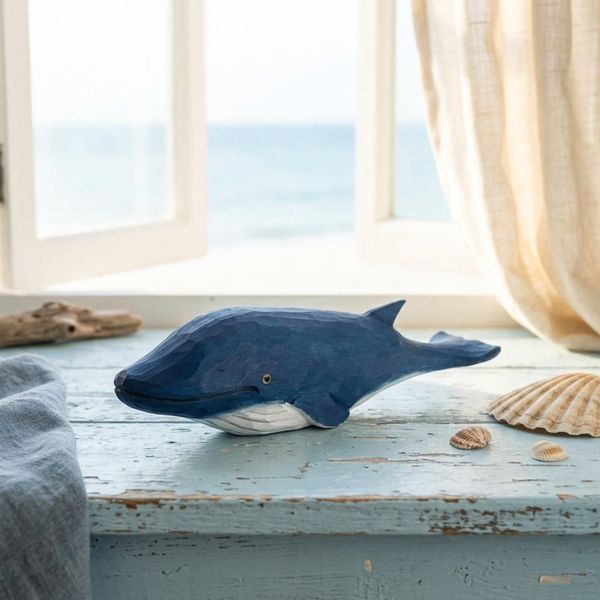
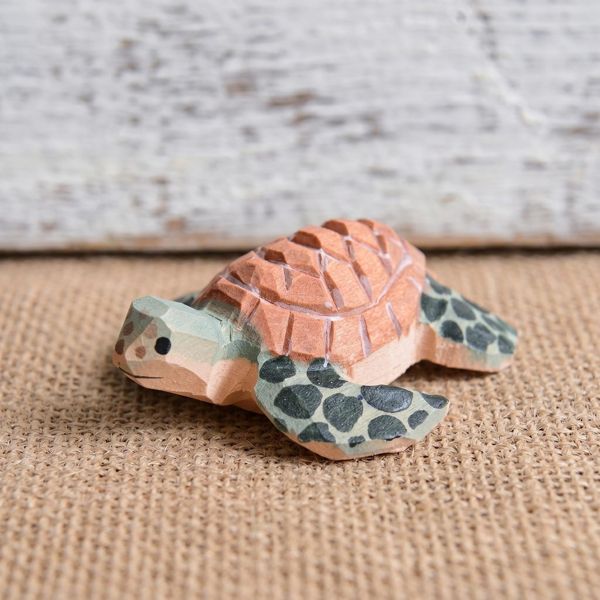
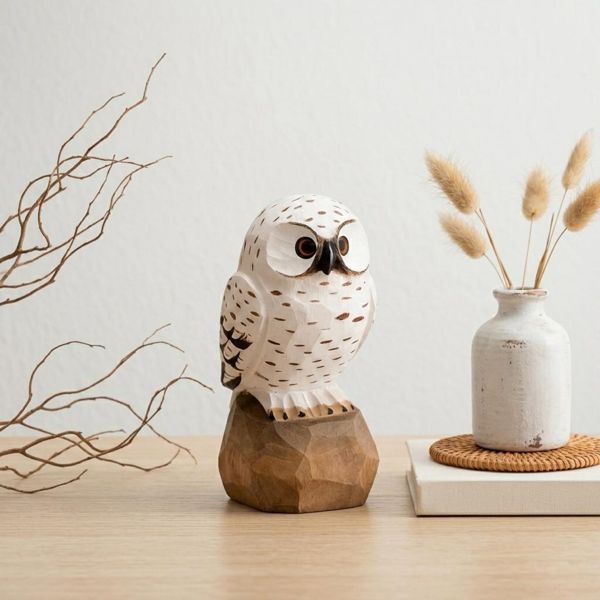
The souvenirs that sell best in aquarium and museum shops are the ones that carry the visit home: a hand-painted wooden shark, whale or sea turtle for an aquarium, a carved owl, crow or fox for a natural history collection, and small pocket-money pieces for younger visitors. The pieces that work are recognisable at a glance, safe to travel in a bag and honest about being decorative rather than toys. Build the range around the animals visitors actually saw, and consider a site-exclusive design for the pieces only your shop can sell.
What souvenirs and gifts sell best in aquarium and museum shops?
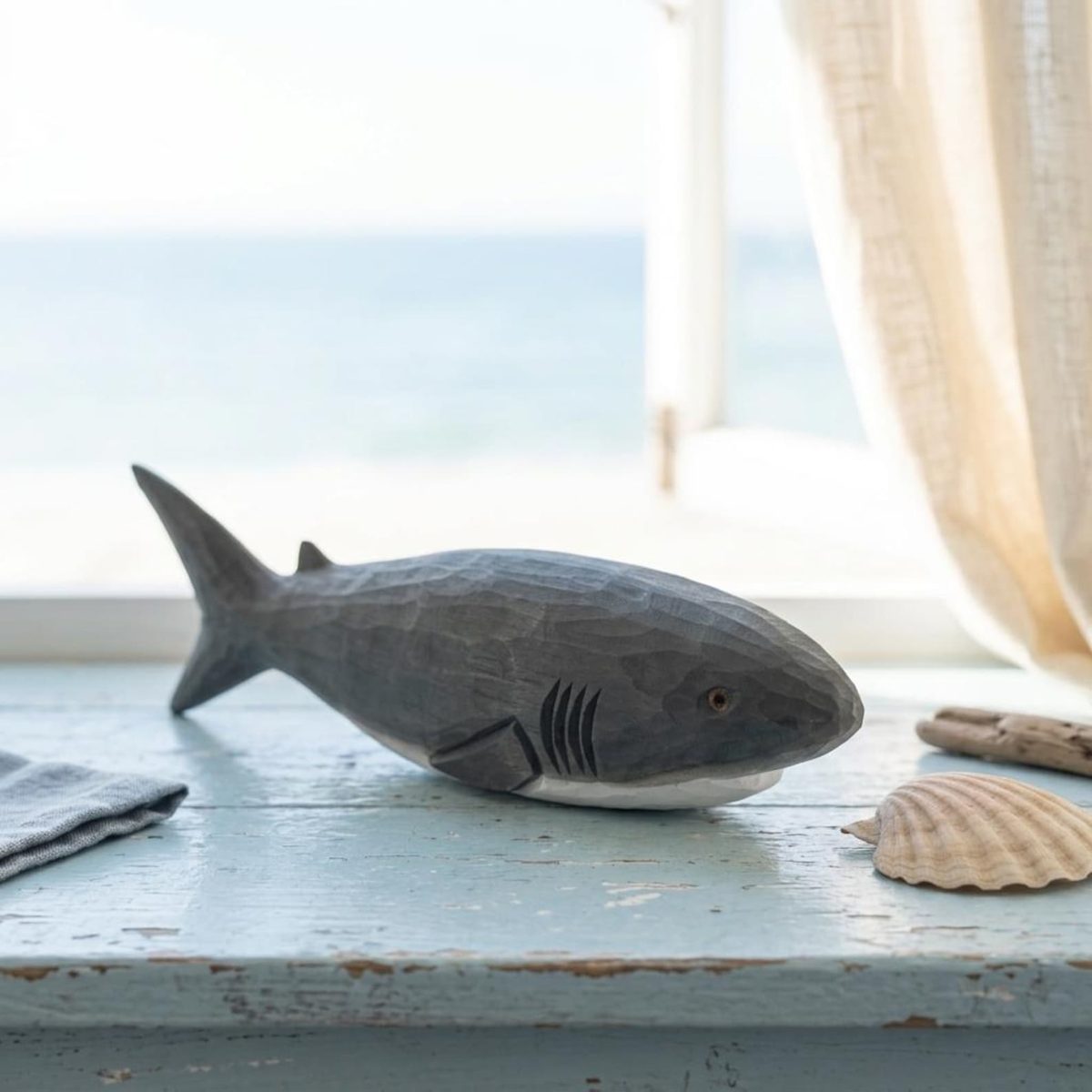
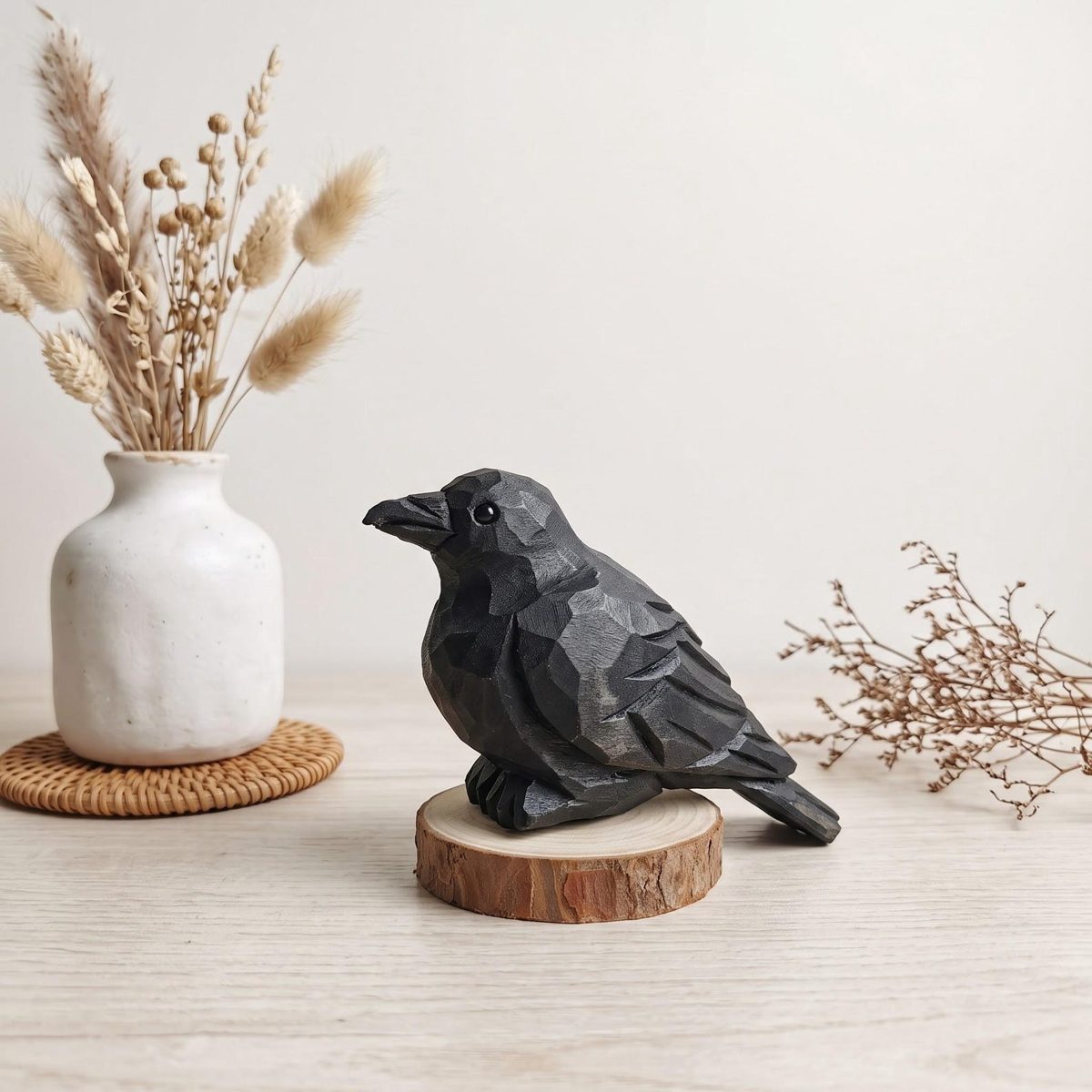
The bestsellers are souvenirs that anchor the memory of the visit. In an aquarium shop that means the animals in the tanks: a great white shark, a humpback whale, a sea turtle, a seal — hand-carved, hand-painted wooden figures at three scales, from pocket-money keyrings to large display pieces. In a natural history or country-house museum shop it means the wildlife of the collection and the grounds: a snowy owl, a wooden crow, a fox, a tiger for the cabinets that still impress.
The common thread is specificity. A visitor who has just watched sharks swim overhead does not want a generic gift; they want the shark. Range pieces chosen to match what the site actually shows convert at a different level from assorted wildlife, and they let the shop tell one coherent story instead of stocking a little of everything.
What sells steadily alongside the hero pieces is small and priced for impulse: wooden keyrings and mini animals at the till, which serve the child on a school trip spending their own money and the adult who wants something small to carry home.
What makes a souvenir sell in an attraction shop?
Five properties separate souvenirs that move from souvenirs that sit. First, the memory anchor: the piece must connect to something the visitor saw or did within the last hour. Second, one-glance recognition — an owl is an owl from across the shop, and nobody needs the name explained.
Third, it must travel. Your customers are often mid-journey, carrying bags, sometimes flying home the next day; a hand-painted wooden figure is light, solid and unbreakable under bag conditions, which a lot of giftware is not. Fourth, the price must be visible and simple — souvenir buying is emotional, but the hesitation at an unclear price is not. Fifth, it should work as a child's own purchase while remaining honest about what it is: these are decorative ornaments, not toys, and shops that say so plainly have no problem with parents.
A wooden animal scores on all five, which is why a modest shelf of figures can outperform aisles of printed stock that ticks none of the boxes beyond being in the right building.
Which pieces suit an aquarium shop in particular?
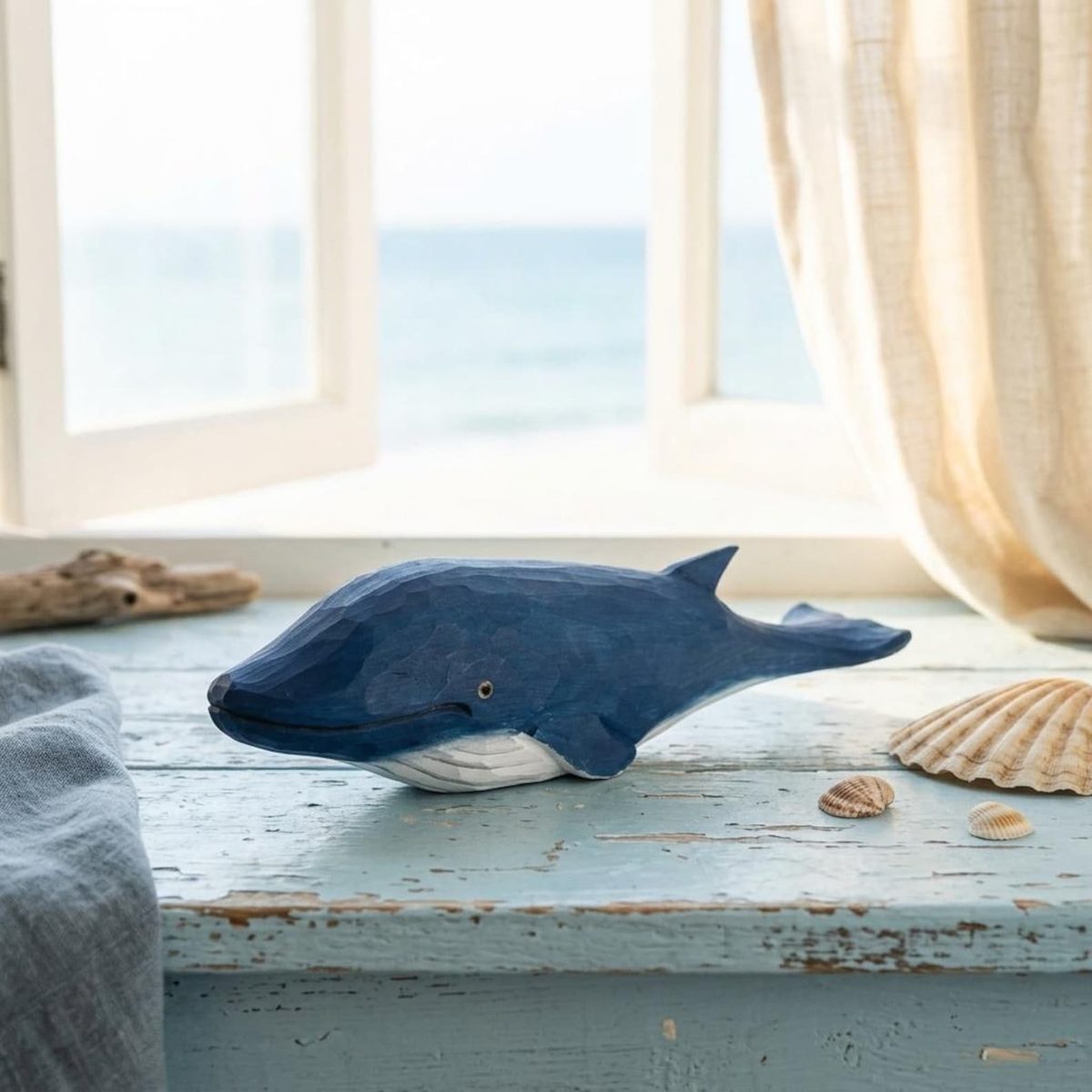
Lead with the animals visitors just met. Sharks carry the drama — a faceted great white and a longer whale shark give the theme its centrepiece — while the humpback whale, the sea turtle and a wooden seal give gentler options for buyers who want the ocean without the teeth. A painted sperm whale adds a whaling-history link for sites where that story is part of the local heritage.
Scale the display the way the building does: one or two large figures visible from the door, hand-sized figures at eye level, and a dish of whale, orca and dolphin keyrings by the till. Starfish wall pieces — in deep blue or distressed white — hang above the run and close the group visually.
The aquarium and ocean shops guide covers the display mechanics in more detail, including shelf cards and how the same range behaves in a coastal town shop rather than a ticketed attraction. The short version: in an attraction shop the building has already done the selling, so the display only has to finish the thought.
Which pieces suit a museum or heritage site shop?
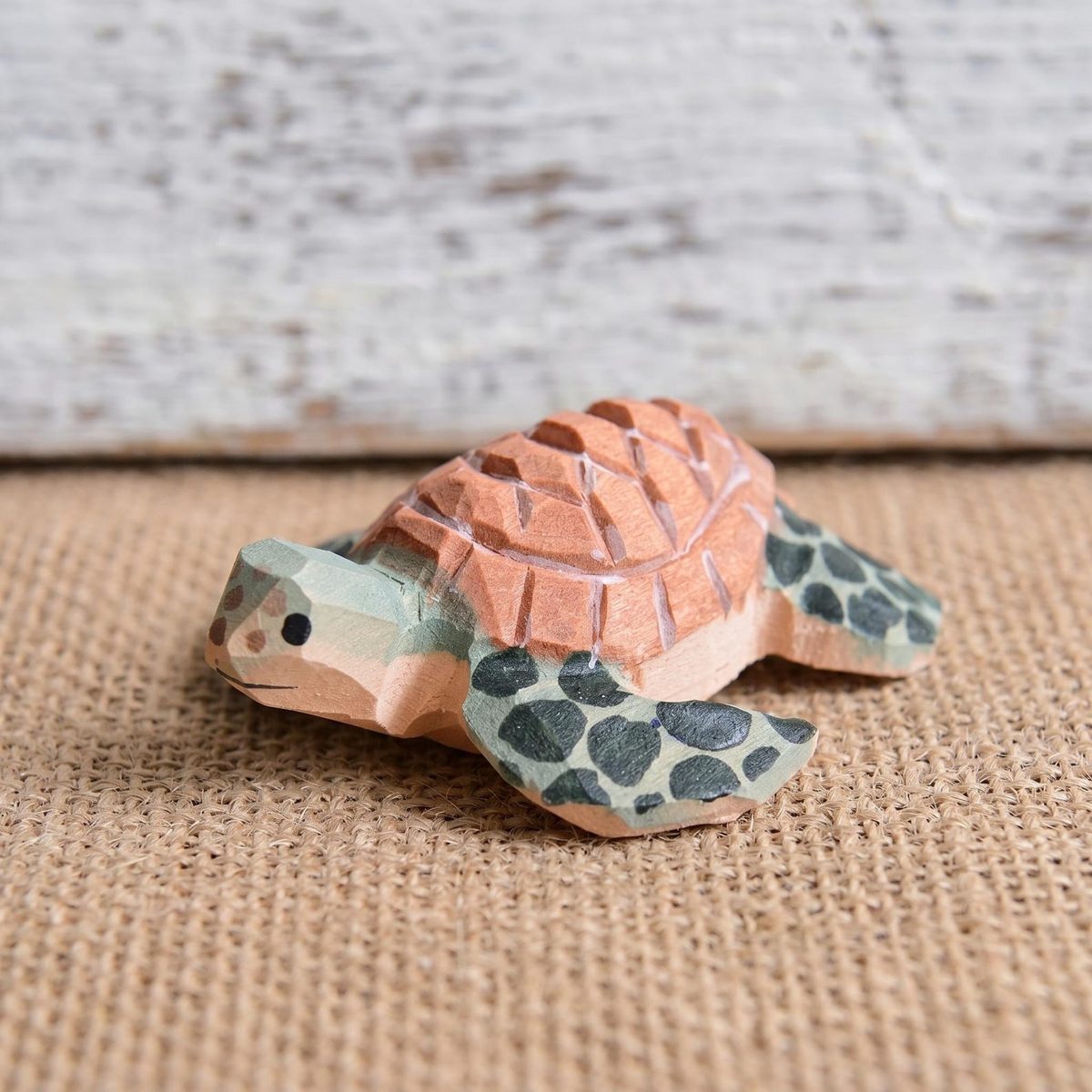
Natural history collections translate directly: owls, crows, foxes, badgers and tigers — the animals of the cabinets and the grounds. An owl whose base takes an engraved name or date also serves the memorial side of museum gifting, which shops are often asked about and rarely stocked for.
Social history and period-house sites have an unexpected ally in the range: 1:12 miniature furniture. A Victorian-style table or a miniature park bench speaks directly to the dollhouse and model-basket audience that heritage sites attract, and it is a category most museum shops cannot source locally at all.
Wherever the site, write a shelf card for each figure with the collection link — the species in gallery three, the bird on the estate, the furniture style of the period room. Museum visitors are primed to read interpretation; a card that ties the souvenir to something they saw in the gallery converts the exhibit into the purchase. For sites where children are the main audience, keep small pieces labelled as decorative and out of the reach of very young visitors.
Can we commission a design exclusive to our site?
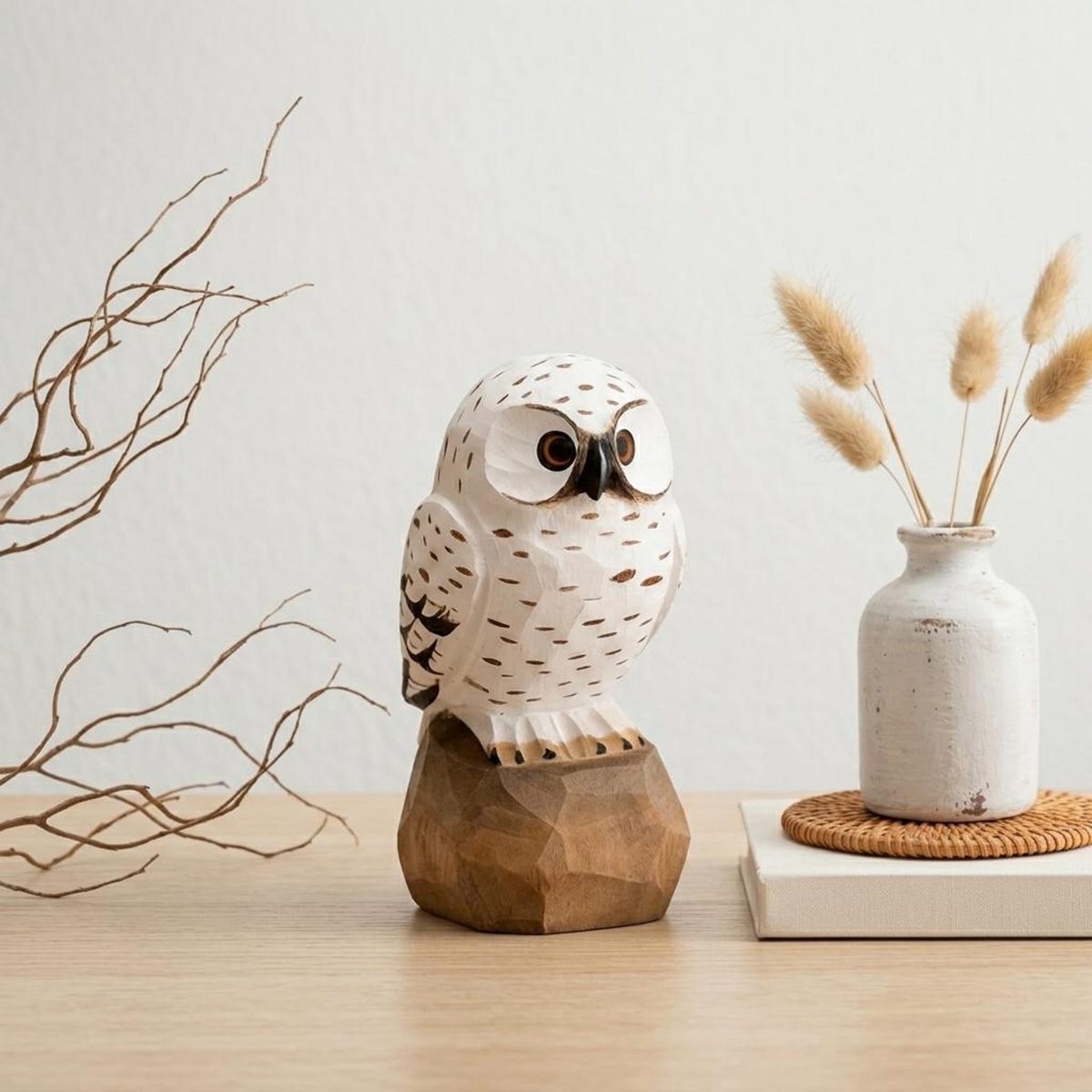
Yes — and for an attraction shop it is often the strongest move available, because an exclusive is the one souvenir a visitor cannot buy anywhere else. The practical path is our custom figurine service: you brief the animal or the character, we carve a sample for your approval, and once approved it goes into batch production for your order, with engraving available on the base for named pieces.
The obvious candidates are a site mascot, an animal from your collection that the standard range does not cover, or a local species with a story only your shop tells. Our guide to commissioning custom figurines for your shop walks through the process, the timelines and what a first exclusive realistically involves.
Exclusives change the conversation with your visitors from 'which one shall I buy' to 'where else could I buy this' — which is the position every attraction shop wants its bestseller to occupy.
How do attraction shops order and restock?
Send a trade enquiry saying which type of site you run — aquarium, natural history, period house, visitor centre — and which animals belong to your story. We reply with trade prices, which are not published on the site, and the practical details for a first order; on trade orders any design can be laser-engraved with a name or a date, which is worth building into the plan for memorial and named-gift sales.
Plan the first order around the three scales — one anchor figure, four to six hand-sized pieces, a till dish of keyrings — and restock against your visitor season rather than the retail calendar. A school-term attraction restocks differently from a summer-peak seaside site, and our museum and attraction trade page answers the questions site retail teams ask most often, including exclusives and trade terms.
Frequently asked questions
What souvenirs and gifts sell best in aquarium and museum shops?
Souvenirs that anchor the memory of the visit: for aquariums, hand-painted wooden sharks, whales, turtles and seals at three scales, from keyrings to display centrepieces; for natural history and heritage sites, carved owls, crows, foxes and other collection animals. The pieces that work are recognisable at a glance, travel safely in a bag and match what visitors actually saw.
What makes a good museum shop souvenir?
Five things: it connects to something seen in the last hour, it is recognisable without explanation, it survives the journey home, its price is clear, and it works as a child's own purchase while being honest about what it is. A shelf card tying the piece to a gallery or exhibit does a large share of the selling in a museum setting.
Are the figures suitable in a shop where children visit?
Yes, presented honestly: the figures are decorative ornaments, not toys. Children on school trips do buy them — keyrings and mini animals especially, often with their own pocket money — but they are hand-painted display pieces for a shelf or desk, not playthings, so keep small pieces out of the reach of very young visitors and label the range accordingly.
Can we commission an exclusive design for our site?
Yes. You brief the animal or character, a sample is carved for approval, and the approved design goes into batch production for your order, with base engraving available for named pieces. Site mascots, collection animals the standard range does not cover and local species with a story are the usual choices. Commissioning is outlined on the custom figurine service page.
Do you publish trade prices for attraction shops?
No — trade prices are sent after an enquiry, together with the practical details for a first order. Tell us the type of site you run and which animals belong to your story, and the reply will cover prices, lead times and engraving on trade orders. Large and custom orders for sites outside the UK are shipped directly to your country.