Are Wooden Animal Figurines Toys? Decorative Items Explained
Not necessarily. A wooden animal figurine is a toy when it is designed or intended for children to play with, and a decorative item when it is made to be displayed. Our hand-carved, hand-painted wooden animals are decorative items, not toys. They are made for shelves, desks and windowsills, so keep them out of reach of young children and choose a toy from a toy maker if a child needs something to play with.
Are wooden animal figurines toys or decorative items?
It depends on what the figurine is designed for. A wooden animal made for children to hold, carry and play with is a toy. A wooden animal made to sit on a shelf, a desk or a windowsill and be looked at is a decorative item. The two can look similar in a photograph, which is why the question comes up so often.
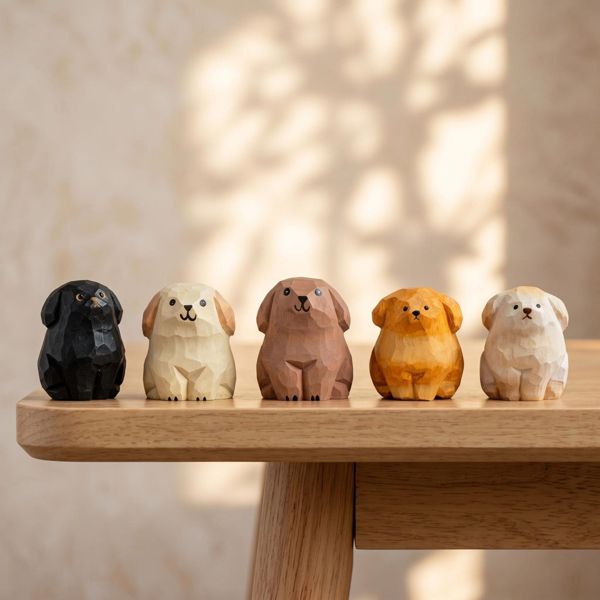
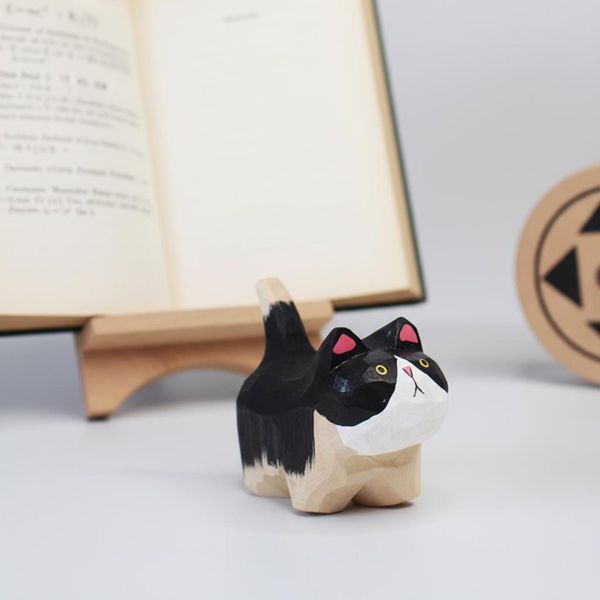
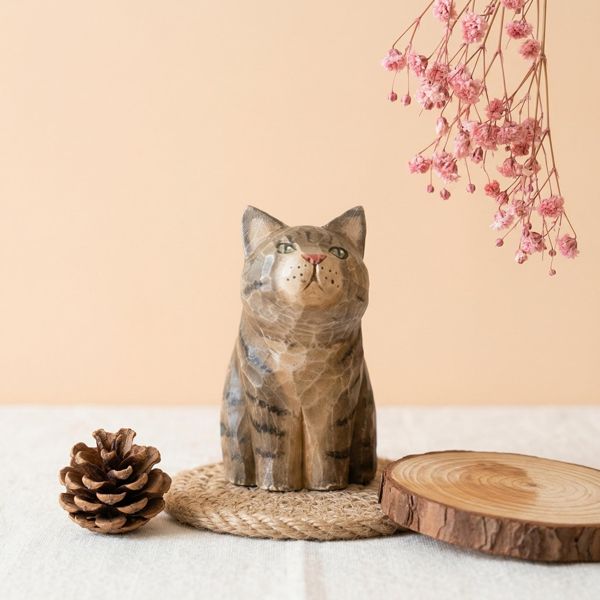
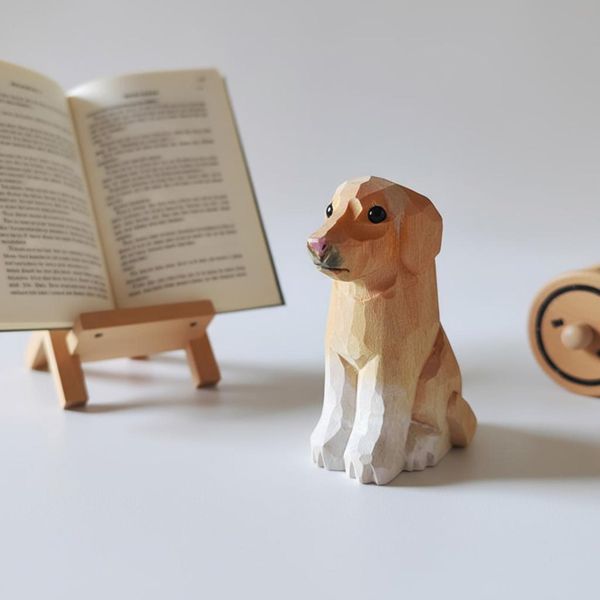
Our wooden animals fall into the second group. They are hand-carved and hand-painted decorative items, and we describe them as decorative items, not toys. They are made for display: a cat on a bookshelf, a dog on a desk, a bird on a kitchen windowsill, a whale on a mantelpiece.
That does not mean they have no use for children. A child can enjoy looking at one, and an older child can be trusted to handle one gently. But they are not designed as playthings, and they are best kept somewhere a young child cannot reach them.
Why does the difference between a toy and an ornament matter?
In the UK, toys have their own safety rules, which cover things such as materials, small parts and labelling. Because a toy is expected to be dropped, chewed and thrown, those rules are strict. An ornament is not made with that kind of use in mind, so it is not treated as a toy and does not follow the same rules.
In general terms, a product counts as a toy when it is designed or intended for use in play by children under 14. This is general information, not legal advice. If you are a seller and you are unsure how a particular product should be classified, check the government's product safety guidance or ask a trading standards officer.
For buyers, the practical point is simple. If you are choosing something for a young child to play with, buy a product sold as a toy by a toy maker, with the labelling that goes with it. If you are choosing something to display, a decorative figurine is the right choice.
What makes our wooden animals decorative items?
Several things point to display rather than play. The pieces are small, carved with fine detail such as ears, tails and facets, and painted by hand. Those carved details are part of what makes them attractive, and they are also delicate. A tail or an ear can snap if the piece is dropped or pulled.
Many pieces sit on a base, and some bases can be laser-engraved with a name or a date, which is a keepsake feature rather than a play feature. Others are charms on a cord, hanging ornaments or miniatures for dolls' houses, which are made for collectors.
We sell them as decorative items, not toys. We do not describe them as toys, and we do not claim toy safety approvals for them. If you would like to see how big a piece is before you buy, each product page lists its size, and the collection shows everything together.
What should you check if a child will be nearby?
Treat a decorative figurine with the same care as any small ornament. Think about where it sits and who can reach it, rather than relying on the figure being small or attractive.
A few simple habits make a big difference. Put the figurine on a shelf above a child's reach, not on a low table or the floor. Keep it away from babies and toddlers, who put things in their mouths. If a child asks to hold it, hold it with them and let them look rather than play.
- Display above a young child's reach
- Keep away from babies and toddlers, who may put objects in their mouths
- Do not let a figurine be used as a plaything, thrown or dropped
- Check regularly for chips, cracks or loose parts, and remove a damaged piece
- Keep charms and cords out of reach, because cords can be a risk for small children
How should shops label and display decorative wooden animals?
If you stock wooden animals in a shop, say clearly what they are. A short shelf card or label that reads decorative item, not a toy avoids confusion for parents, grandparents and gift buyers who see a wooden animal and assume it is for play.
Display them with giftware, home accessories or collectables, not in the children's toy section. Keep them at adult eye level, and keep them out of reach of very young children where possible. Avoid describing them with words such as play, kids or toy in your own marketing, and avoid showing them in photographs being played with.
Ask your supplier for the wording they use and for any care information, and keep it with the stock. If you would like to stock our pieces, read our guide to wooden animal figurines for a UK gift shop, or send a trade enquiry.
What if you want a wooden animal for a child to play with?
Choose a product sold as a wooden toy, from a toy maker, with the labelling and information that goes with it. Wooden toy animals are made for play and are designed differently from decorative figurines.
If you are buying a decorative figurine as a gift for a family, think about who will receive it. A figurine suits an adult, a teenager or an older child who will keep it on a shelf. Our guides to thoughtful small gifts for cat lovers and gifts for dog lovers suggest pieces that suit adult recipients.
For care advice, our guide to caring for hand-painted wooden figurines explains how to dust, store and display them.
Frequently asked questions
Are wooden animal figurines toys?
Not necessarily. A figurine made for children to play with is a toy, and one made for display is a decorative item. Our hand-carved, hand-painted wooden animals are decorative items, not toys. They are made for shelves, desks and windowsills and are best kept away from young children.
What age are your wooden animals suitable for?
They are decorative items, so we do not give a toy age range. They suit adults and older children who will handle them gently and keep them on display. We recommend keeping them out of reach of babies and toddlers, who may put small objects in their mouths.
Can children play with decorative wooden figurines?
We do not recommend it. They are made for display, and carved details such as ears and tails can be delicate. If a child would like to look at one, hold it with them. For play, choose a product sold as a toy by a toy maker.
How should a shop label decorative wooden animals?
Use a clear shelf card or label that reads decorative item, not a toy. Display them with giftware or home accessories, not in the children's toy section, and avoid marketing wording that suggests play. Ask your supplier for the wording they use.
Do your wooden animals have toy safety approvals?
No. We sell them as decorative items, not toys, and we do not claim toy safety approvals for them. If you need a product for a child to play with, choose one sold as a toy, with the labelling and information that goes with it.
Where should I put a wooden animal if there are children in the house?
Put it on a shelf above a young child's reach, away from the edge. Keep charms and cords out of reach too. Check it from time to time, and remove it if it is chipped, cracked or has a loose part. Dust it gently with a soft dry brush.