How Boutiques Find and Vet Wholesale Gift Suppliers (US, Canada, Australia, Ireland)
Boutiques source giftware from four kinds of channel: wholesale marketplaces for discovery and test orders, distributors that carry many brands on one account, trade shows for meeting makers in person, and brands that sell trade direct with the fullest range and the most personalisation options. Vet any supplier on minimum order, lead times, delivery terms, fault handling and customisation. Jodie's Wood Studio sells trade direct to shops in the US, Canada, Australia and Ireland, with pricing, shipping and any duties quoted for your location.
Where do boutiques find wholesale gift suppliers?
Every boutique's gift shelf is stocked through one or more of four channels, and knowing which channel you are shopping in explains most of what follows about price, minimums and range. The four are:
- Wholesale marketplaces — large online platforms where many brands list; good for discovery and small test orders, with standardised shipping and little room for custom work;
- Distributors and agents — companies that carry many brands on one account and deliver mixed stock in one shipment, at the cost of a markup and a shallower range per brand;
- Trade shows — seasonal events where you meet makers, see finish quality in person and write orders on the spot, in exchange for travel and a fixed calendar;
- Brands selling trade direct — makers who take shop orders themselves, usually with the fullest range, personalisation and custom options, and a direct line for reorders.
How does buying direct from a maker compare with buying through a marketplace?
A marketplace's strengths are convenience and low commitment: browsing is fast, first orders can be small, and shipping is standardised. Its limits show up as soon as you want something specific — a colourway, a size mix, a personalised line, or a reorder of the one thing that sold out in a week. On a marketplace you are one shop among many listing the same pieces, and the platform decides what the brand's page can offer you.
Buying direct inverts that. The range is complete — marketplaces typically list a maker's bestsellers, not the whole line — and the maker can take personalisation and custom work, which is where a boutique's gift shelf stops being interchangeable with everyone else's. Reorders go straight to the source, so a line that is moving can be back in stock quickly, and problems are solved by the person who made the pieces.
The practical pattern most shops settle on: use marketplaces to test categories cheaply, then go direct to the maker for the lines that prove themselves. If you already know the range you want and plan to personalise it, direct is usually the faster route from the start.
What should you check before committing to a supplier?
Whatever the channel, the vetting questions are the same, and asking them in one message saves a season of surprises. Minimum order value — and whether a first order can be smaller while you test. Lead times for stocked pieces versus personalised or custom work. Delivery terms and thresholds, and who pays when something arrives damaged. Reorder speed, because a fast second order is worth more than a deep first one.
Then check the product side: how finishes hold between batches, whether pieces are labelled honestly (a wooden animal is a decorative item, not a toy, and your counter staff should never have to guess), and how pieces are packed for posting. Ask for photographs of actual stock rather than renders — hand-carved, hand-painted work varies slightly between pieces, and you want to see the variation before it is on your shelf.
Finally, ask what the supplier cannot do. A maker who does not offer personalisation should say so plainly; one who promises everything usually delivers whichever part is easiest.
What should you ask a supplier in another country about delivery?
Ordering from overseas adds one layer to the checklist: landed cost. The price on the invoice is not the price on your shelf — shipping, import taxes and duties in your country, and any broker or clearance fees stack on top, and the totals vary by country. Before you confirm anything, ask the supplier to quote delivery, taxes and duties for your location, and to state whether their prices include or exclude them.
Ask who handles the paperwork. Depending on the arrangement, the carrier, a broker or the supplier files the import declaration, and you want to know which before the shipment moves, not when it is sitting in customs. Ask about tracking and how a damaged or lost shipment is put right across a border — the answer is usually a photograph and a replacement, but confirm.
A maker used to selling internationally will answer these without being asked twice. At Jodie's Wood Studio, overseas trade orders are shipped directly to your country and quoted with delivery, taxes and duties for your location before you confirm — the same principle we would want as a buyer.
How do you test a new supplier without risking much?
Buy small and look hard. A first order is a sample in commercial form: check how the pieces look in your light rather than theirs, how the packing survives the post, whether the finish on the second dozen matches the first, and how the range sits next to what you already stock. Photograph anything doubtful and raise it immediately — how a supplier handles the first complaint predicts everything after.
Give the test a fair shelf. A line that sells through in three weeks tells you more than a line you have hidden at the back; give new stock a visible spot for a full selling cycle before you judge it. Track which designs go, not just whether the order 'did well' overall — that item-level note is what turns a decent supplier into a profitable range.
Then reorder the winners direct. This is the point where the channel question from earlier pays off: if the maker sells trade direct, your reorder is one message, and personalisation or custom variations of the proven pieces become available that were never on any marketplace listing.
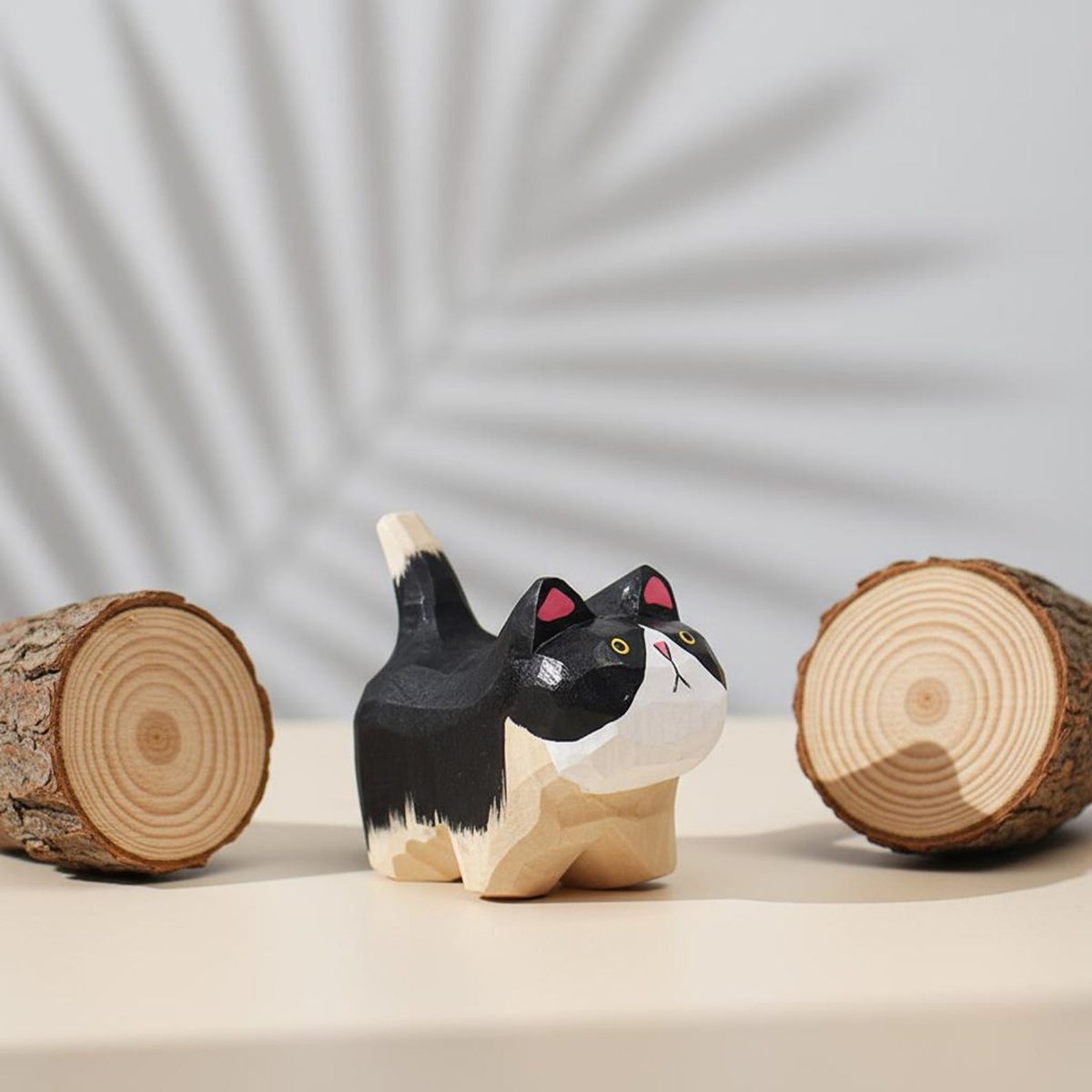
How do boutiques in the US, Canada, Australia and Ireland buy wooden animals from Jodie's Wood Studio?
Direct, the same way UK shops do, with the international parts made explicit. You send a trade enquiry through the wholesale page — your shop's name, location and a line about what you stock are enough to start — and we reply with trade prices and the terms for your location. There is no public trade price list, because prices are quoted per market rather than published.
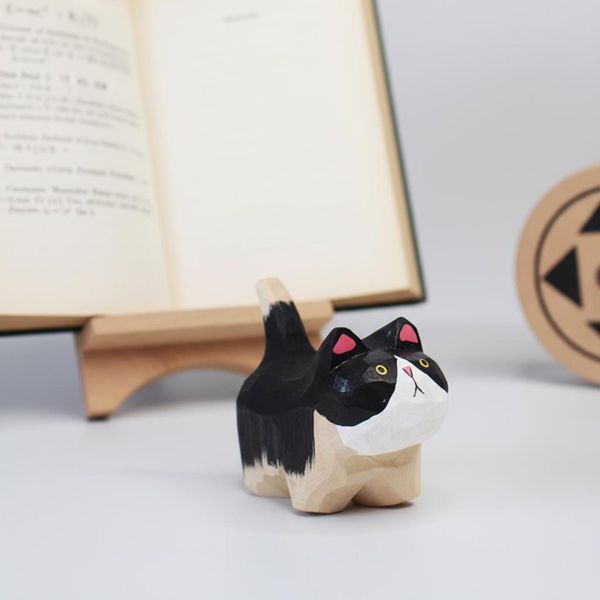
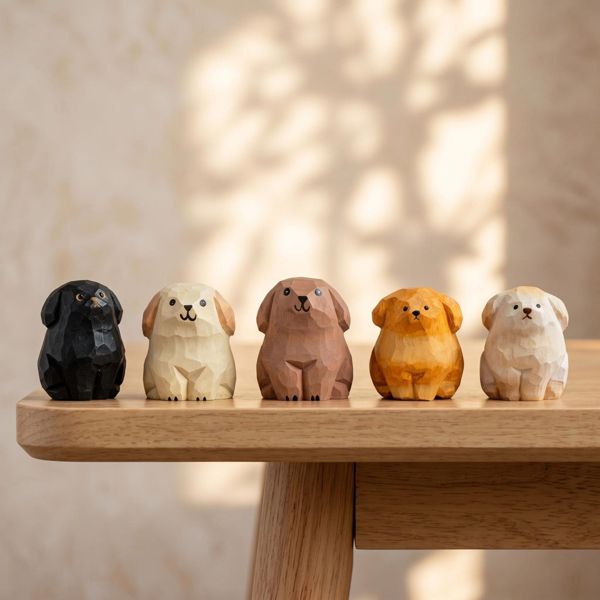
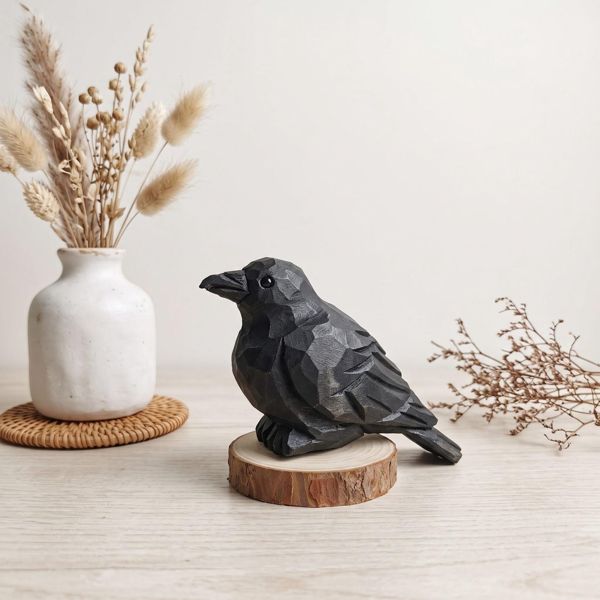
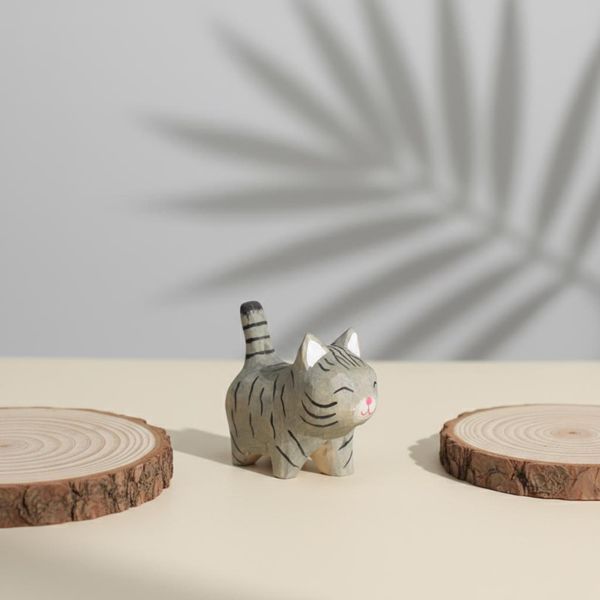
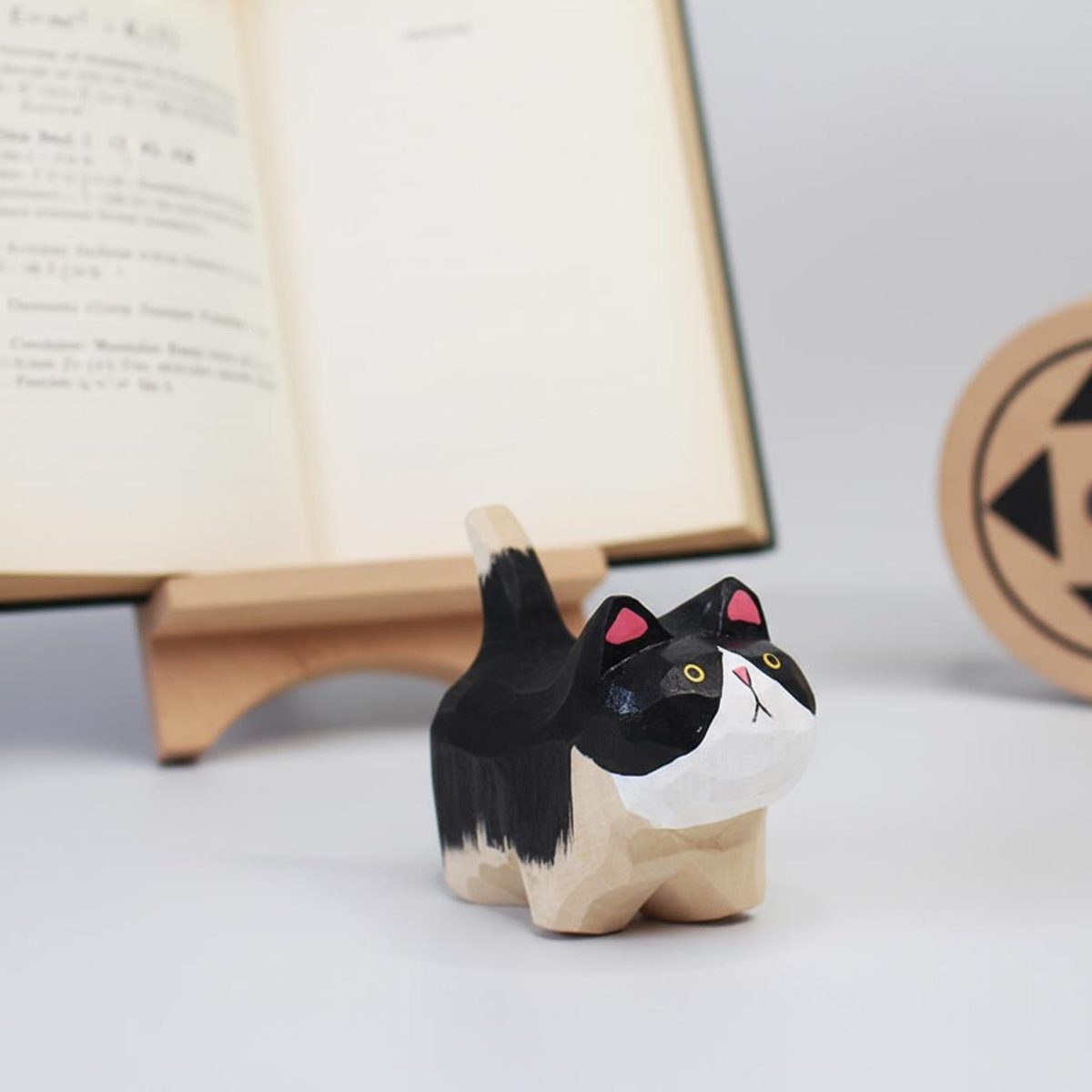
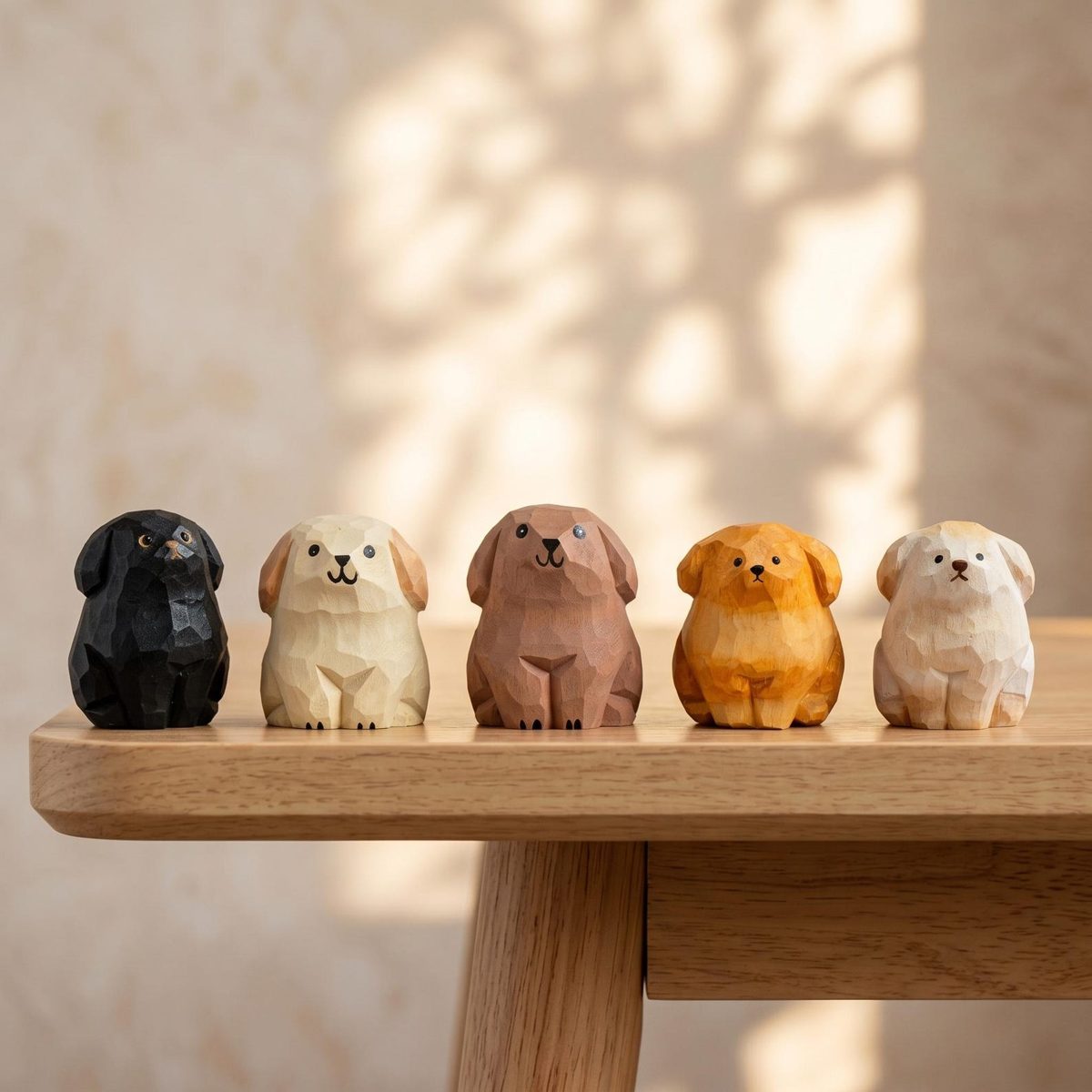
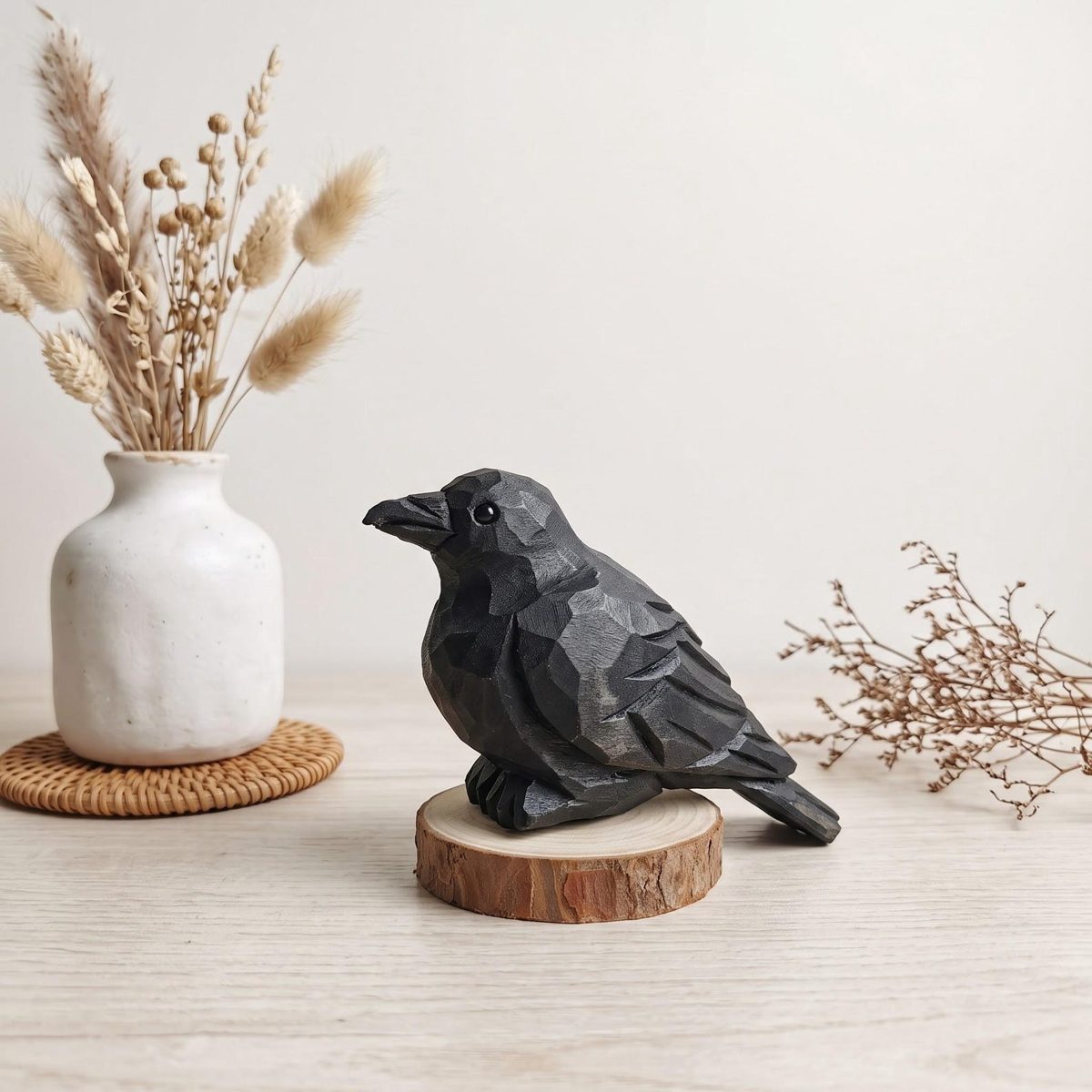
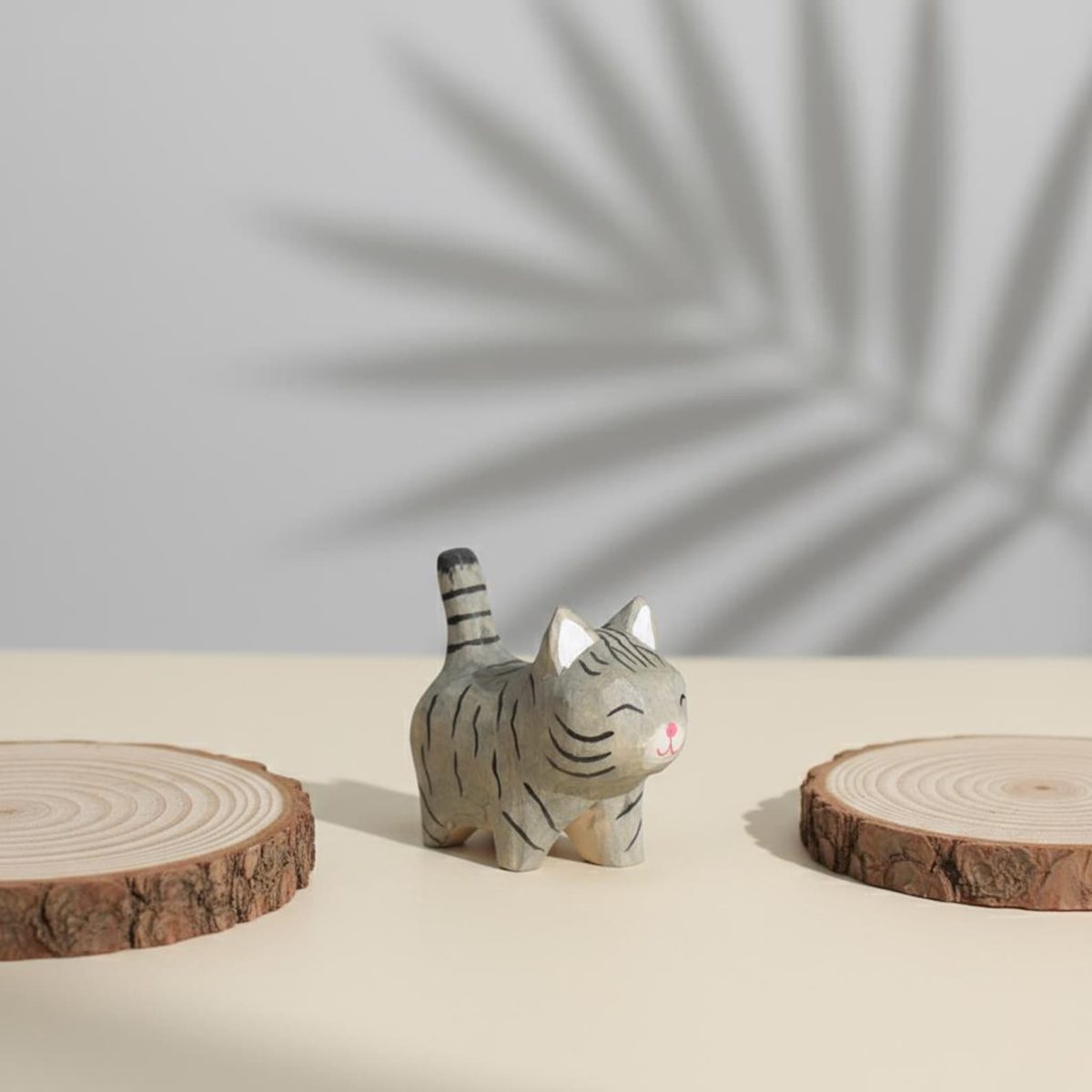
The range is the full one: hand-carved, hand-painted wooden animals from cats and dogs to birds and woodland pieces, in faceted, textured and natural finishes, with sizes from pocket-money charms to shelf centrepieces. On bulk orders, any design in the range can be engraved with a name or a date, which is the option marketplaces rarely carry and the reason many shops come direct.
Shipments go directly to your country, with delivery, taxes and duties quoted for your location before you confirm the order. Everything is labelled as a decorative item, not a toy, and restocks of stocked pieces are a one-message affair — which, for a gift line that is quietly selling through, is usually the whole point.
Frequently asked questions
What are the best wholesale gift suppliers for independent boutiques?
Any honest answer is a method rather than a list: boutiques source from wholesale marketplaces, distributors, trade shows and makers selling trade direct, and the best supplier for you is the one that clears a short checklist — minimum order you can test with, lead times in writing, delivery and duties quoted for your country, a clear fault-handling policy, and personalisation if your customers ask for it. Compare suppliers on those five points rather than on a ranked list.
Which wholesale marketplaces do gift shop owners use?
We will not rank platforms — we do not sell through them, so we have no honest basis to. What matters is the pattern: shops use marketplaces for discovery and small test orders, then move proven lines to a direct relationship with the maker, where the range is fuller, personalisation is possible and reorders go to the source. If you already know the line you want, starting direct usually saves the middle step.
How do I vet a wholesale gift supplier before my first order?
Ask about minimum order value, lead times for stock versus personalised work, delivery terms and who pays for damage, and how fast reorders turn around. Then check the product side: batch-to-batch finish consistency, honest decorative-not-a-toy labelling, and packing that survives posting. Ask for photographs of real stock, raise anything doubtful immediately, and judge the answers' speed as much as their content.
Can a boutique in the US, Canada, Australia or Ireland order from Jodie's Wood Studio?
Yes. We sell trade direct to shops in those countries: you send an enquiry through the wholesale page with your shop's name and location, and we reply with trade prices, delivery, taxes and duties quoted for your location before you confirm anything. Shipments go directly to your country, and stocked pieces can be reordered with a single message once a line is selling.
Can wooden animals be personalised for my shop's customers?
Yes. On bulk orders, any design in the range can be laser-engraved with a name, a date or a short message — there is no shortlist of engravable pieces to work around. At retail level, personalisation is offered on the designs with an engravable base. If personalisation is part of your plan, confirm the wording limits and the extra lead time with the supplier before you advertise the service at your counter.